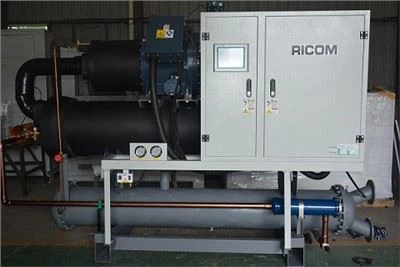
As a supplier of screw cold and hot chillers, I've had my fair share of experiences dealing with the ins and outs of these machines. One crucial aspect that often gets overlooked but is super important is the lubrication requirements for the screw compressor in these chillers. Let's dig into it.
Why Lubrication Matters
First off, why do we even need to lubricate the screw compressor? Well, the compressor is the heart of the chiller. It's constantly working, compressing refrigerant gas to transfer heat and cool or heat the environment. Without proper lubrication, the moving parts in the compressor, like the rotors and bearings, would rub against each other. This friction can cause a whole bunch of problems, such as wear and tear, overheating, and even mechanical failure. And let me tell you, a failed compressor can bring your chiller to a halt, costing you a fortune in repairs and downtime.


Lubrication Functions
Lubrication in a screw compressor serves several key functions.
Reducing Friction: As I mentioned earlier, the most obvious one is to reduce friction between the moving parts. A thin film of lubricant forms between the surfaces, allowing them to slide smoothly against each other. This not only reduces wear but also improves the efficiency of the compressor. When there's less friction, the compressor doesn't have to work as hard, which means it uses less energy and can operate more quietly.
Sealing: The lubricant also helps to seal the clearances between the rotors and the compressor housing. This is important because it prevents refrigerant gas from leaking past the rotors during compression. A good seal ensures that the compressor can achieve the desired compression ratio, which is essential for the proper operation of the chiller.
Cooling: Compression generates heat, and the lubricant helps to carry away this heat. It absorbs the heat from the moving parts and transfers it to the oil cooler, where it's dissipated. This helps to keep the compressor at a safe operating temperature and prevents overheating, which can damage the components.
Noise Reduction: By reducing friction and vibration, the lubricant also helps to reduce the noise level of the compressor. A well - lubricated compressor runs more quietly, which is a big plus, especially in environments where noise is a concern, like hospitals or office buildings.
Lubricant Selection
Choosing the right lubricant for your screw cold and hot chiller compressor is crucial. There are several factors to consider:
Refrigerant Compatibility: The lubricant must be compatible with the refrigerant used in the chiller. Different refrigerants have different chemical properties, and using an incompatible lubricant can lead to problems such as oil breakdown, foaming, and poor lubrication performance. For example, if you're using a modern HFC refrigerant, you'll need a lubricant that's specifically designed for HFCs.
Viscosity: Viscosity is a measure of the lubricant's thickness. It's important to choose a lubricant with the right viscosity for your compressor. If the viscosity is too low, the lubricant may not provide enough protection against wear and may not form an effective seal. On the other hand, if the viscosity is too high, it can cause increased power consumption and poor flow, which can lead to inadequate lubrication in some parts of the compressor.
Additives: Many lubricants contain additives to enhance their performance. These additives can improve properties such as anti - wear, oxidation resistance, and foam suppression. For example, anti - wear additives can form a protective layer on the metal surfaces, reducing wear even under high - load conditions. Oxidation resistance additives help to prevent the lubricant from breaking down over time due to exposure to heat and oxygen.
Lubrication System Design
The design of the lubrication system in a screw compressor is also important. A typical lubrication system consists of an oil pump, oil filter, oil cooler, and various valves and pipes.
Oil Pump: The oil pump is responsible for circulating the lubricant throughout the compressor. It draws oil from the oil sump and delivers it to the various lubrication points, such as the bearings and the rotors. The pump must be sized correctly to ensure that there's enough oil flow to meet the lubrication requirements of the compressor.
Oil Filter: The oil filter removes contaminants from the lubricant, such as metal particles, dirt, and debris. These contaminants can cause wear and damage to the compressor components if they're allowed to circulate in the oil. A good quality oil filter can extend the life of the lubricant and the compressor.
Oil Cooler: As I mentioned earlier, the lubricant absorbs heat from the compressor. The oil cooler is used to cool the lubricant back down to a suitable temperature before it's recirculated. There are different types of oil coolers, such as air - cooled and water - cooled. The choice of oil cooler depends on factors such as the size of the compressor, the operating environment, and the available cooling medium.
Lubrication Requirements for Different Types of Chillers
We offer different types of screw cold and hot chillers, and each type may have slightly different lubrication requirements.
Water Cooled Screw or Scroll Cold and Hot Chiller: Water - cooled chillers are often used in large commercial and industrial applications. They typically operate at higher loads and for longer periods of time compared to air - cooled chillers. As a result, they may require a lubricant with better thermal stability and anti - wear properties. The water - cooled oil cooler in these chillers can provide more efficient cooling, which helps to keep the lubricant temperature in check.
Explosion - Proof Water Cooled Screw or Scroll Cold and Hot Chiller: These chillers are designed for use in hazardous environments where there's a risk of explosion. The lubrication requirements for explosion - proof chillers are similar to those of regular water - cooled chillers, but they may need to meet additional safety standards. The lubricant must be non - flammable and compatible with the explosion - proof design of the compressor.
Air Cooled Screw or Scroll Cold and Hot Chiller: Air - cooled chillers are more commonly used in smaller applications or where water is not readily available. They tend to operate at slightly higher temperatures compared to water - cooled chillers because the air - cooled oil cooler is not as efficient. Therefore, the lubricant used in air - cooled chillers should have good high - temperature performance and oxidation resistance.
Maintenance and Monitoring
Proper maintenance and monitoring of the lubrication system are essential to ensure the long - term reliability of the compressor.
Oil Changes: Regular oil changes are a must. Over time, the lubricant breaks down due to heat, oxidation, and contamination. The frequency of oil changes depends on factors such as the type of lubricant, the operating conditions of the compressor, and the manufacturer's recommendations. It's important to follow these recommendations to avoid premature wear and failure.
Oil Analysis: Oil analysis is a valuable tool for monitoring the condition of the lubricant and the compressor. By analyzing the chemical and physical properties of the oil, you can detect early signs of problems such as wear, contamination, and oil degradation. This allows you to take corrective action before a major failure occurs.
Inspection of Lubrication System Components: You should also regularly inspect the components of the lubrication system, such as the oil pump, filter, and cooler. Check for any signs of leaks, blockages, or damage. A small problem with one of these components can quickly escalate into a major issue if left untreated.
Conclusion
In conclusion, lubrication is a critical aspect of the operation of a screw cold and hot chiller compressor. Understanding the lubrication requirements, choosing the right lubricant, and maintaining the lubrication system properly can significantly extend the life of your compressor and improve the performance of your chiller. Whether you're using a Water Cooled Screw or Scroll Cold and Hot Chiller, an Explosion - Proof Water Cooled Screw or Scroll Cold and Hot Chiller, or an Air Cooled Screw or Scroll Cold and Hot Chiller, taking care of the lubrication is key.
If you're in the market for a screw cold and hot chiller or need more information about lubrication requirements, don't hesitate to get in touch with us. We're here to help you make the right choice and ensure that your chiller operates smoothly for years to come.
References
- Compressor Handbook, various editions
- Refrigeration and Air Conditioning Technology textbooks
- Manufacturer's technical manuals for screw cold and hot chillers