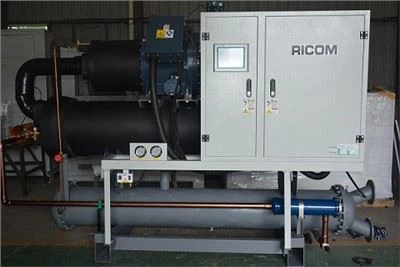
Hey there! As a supplier of air cooled chillers, I've been getting a ton of questions lately about how the cooling capacity of these chillers varies in different climates. So, I thought I'd write this blog to break it down for you.
Let's start with the basics. An air cooled chiller is a machine that removes heat from a liquid via a vapor - compression or absorption refrigeration cycle. The heat is then rejected into the atmosphere by the chiller's fans. But the cooling capacity of an air cooled chiller isn't a fixed number; it can change depending on the climate it's operating in.
Hot and Humid Climates
In hot and humid climates, like those found in the tropics or some parts of the southern United States, air cooled chillers face a bit of a challenge. The high ambient temperature means that the chiller has to work harder to reject heat. When the outside air is already hot, it's less effective at absorbing the heat from the chiller's condenser coils.
The humidity also plays a role. High humidity can reduce the efficiency of the chiller's fans. The moisture in the air makes it denser, which means the fans have to work harder to move the air across the condenser coils. This can lead to a decrease in the chiller's cooling capacity.


For example, if you have an Air Cooled Screw or Scroll Chiller rated for a certain cooling capacity in a standard climate, say 20 - 25°C (68 - 77°F), its actual cooling capacity will be lower in a hot and humid climate where the temperature can reach 35°C (95°F) or higher with high humidity levels.
In such climates, it's crucial to choose a chiller with a higher rated capacity than what you might need in a more temperate climate. This ensures that the chiller can still meet your cooling requirements even under challenging conditions. Our Ethylene Glycol Air Cooled Screw or Scroll Chiller is a great option for these climates. The ethylene glycol in the system helps to improve the chiller's performance in high - temperature and high - humidity environments.
Cold Climates
On the other end of the spectrum, we have cold climates. In areas where the temperature drops well below freezing, air cooled chillers can actually benefit in some ways. The cold air is very effective at absorbing heat from the condenser coils, which means the chiller doesn't have to work as hard to reject heat.
However, there are also some challenges. One of the main issues is the risk of freezing. If the water in the chiller's system freezes, it can cause damage to the pipes and components. That's where our Low Temperature Air Cooled Screw or Scroll Chiller comes in. These chillers are designed to operate in low - temperature environments and have features to prevent freezing, such as anti - freeze solutions and insulation.
In cold climates, the cooling capacity of an air cooled chiller can actually increase compared to its rated capacity in a standard climate. But it's important to make sure the chiller is properly maintained and protected from the cold to ensure its long - term performance.
Temperate Climates
Temperate climates, with average temperatures ranging from 10 - 25°C (50 - 77°F) and relatively low humidity, are ideal for air cooled chillers. In these conditions, the chiller can operate at or close to its rated cooling capacity. The ambient air temperature is neither too hot nor too cold, which means the chiller doesn't have to work extra hard to reject heat.
This makes it easier to size the chiller accurately for your specific cooling needs. You can rely on the manufacturer's specifications more confidently in a temperate climate. However, it's still important to consider factors like the location of the chiller (e.g., whether it's in direct sunlight or shaded) and any potential sources of heat nearby.
Factors Affecting Cooling Capacity in Different Climates
Apart from temperature and humidity, there are other factors that can affect the cooling capacity of an air cooled chiller in different climates.
- Altitude: Higher altitudes have lower air density. This means that the fans on the chiller have to move more air to achieve the same heat transfer as at lower altitudes. As a result, the cooling capacity of the chiller can be reduced. If you're installing a chiller in a high - altitude area, you may need to choose a larger - capacity chiller.
- Solar Radiation: In sunny climates, direct sunlight can heat up the chiller's components, especially the condenser coils. This can increase the temperature of the refrigerant and reduce the chiller's efficiency. To mitigate this, you can install the chiller in a shaded area or use shading devices.
Choosing the Right Chiller for Your Climate
When choosing an air cooled chiller, it's essential to consider the climate in which it will operate. Here are some tips:
- Understand Your Cooling Requirements: Calculate the amount of heat you need to remove from your process or space. This will give you a baseline for the chiller's cooling capacity.
- Consult with an Expert: Our team of experts can help you determine the right chiller for your specific climate and cooling needs. We can take into account all the factors mentioned above and recommend the best solution for you.
- Consider Energy Efficiency: In different climates, the energy consumption of the chiller can vary. Look for chillers with high energy - efficiency ratings to save on operating costs in the long run.
If you're in the market for an air cooled chiller, we're here to help. Whether you're dealing with a hot and humid climate, a cold climate, or a temperate one, we have the right solution for you. Don't hesitate to reach out to us for more information or to discuss your specific requirements. We can guide you through the selection process and ensure you get the best chiller for your needs.
In conclusion, the cooling capacity of an air cooled chiller is highly dependent on the climate in which it operates. By understanding these climate - related factors and choosing the right chiller, you can ensure optimal performance and energy efficiency. So, if you're looking for a reliable air cooled chiller, give us a shout. We're ready to assist you in making the right choice.
References
- ASHRAE Handbook of Refrigeration.
- Manufacturer's specifications for air cooled chillers.