


As a seasoned provider of air cooled chillers, I've witnessed firsthand the pivotal role that various components play in the optimal performance of these systems. Among these, the pressure switch stands out as a critical element that ensures both the efficiency and safety of air cooled chillers. In this blog, I'll delve into the functions of the pressure switch in an air cooled chiller, shedding light on its importance and how it contributes to the overall operation of these essential cooling units.
Understanding the Basics of an Air Cooled Chiller
Before we dive into the role of the pressure switch, let's briefly review how an air cooled chiller works. An air cooled chiller is a refrigeration system that removes heat from a process or space and transfers it to the surrounding air. It consists of several key components, including a compressor, condenser, evaporator, and expansion valve. The compressor pressurizes the refrigerant, which then flows through the condenser, where it releases heat to the air. The cooled refrigerant then passes through the expansion valve and into the evaporator, where it absorbs heat from the process or space being cooled. This cycle repeats continuously to maintain the desired temperature.
The Role of the Pressure Switch
The pressure switch in an air cooled chiller serves as a safety device and a control mechanism. It monitors the pressure of the refrigerant in the system and takes action when the pressure exceeds or falls below certain pre - set limits. Here are the primary functions of the pressure switch:
1. Safety Protection
One of the most important functions of the pressure switch is to protect the chiller from damage due to abnormal pressure conditions. If the pressure in the system becomes too high, it can cause serious damage to the compressor, condenser, and other components. High pressure can be caused by a variety of factors, such as a blocked condenser, a malfunctioning fan, or an overcharge of refrigerant. When the pressure switch detects high pressure, it immediately shuts down the compressor to prevent further damage. This not only protects the equipment but also reduces the risk of costly repairs and downtime.
Conversely, low pressure can also indicate a problem in the system. A low - pressure condition may be caused by a refrigerant leak, a clogged filter, or a malfunctioning expansion valve. If the pressure drops below the set limit, the pressure switch will also shut down the compressor. This is because operating the compressor under low - pressure conditions can lead to compressor damage, reduced efficiency, and poor cooling performance.
2. System Control
In addition to safety protection, the pressure switch also plays a role in system control. It helps to maintain the proper operating pressure of the refrigerant, which is essential for the efficient operation of the chiller. By monitoring the pressure, the pressure switch can signal the compressor to start or stop based on the needs of the system. For example, when the pressure in the evaporator drops below a certain level, it indicates that the cooling load has decreased. The pressure switch can then signal the compressor to stop, saving energy and reducing wear and tear on the equipment. When the pressure rises again, indicating an increase in the cooling load, the pressure switch will signal the compressor to start up again.
Types of Pressure Switches in Air Cooled Chillers
There are two main types of pressure switches used in air cooled chillers: high - pressure switches and low - pressure switches.
High - Pressure Switches
High - pressure switches are designed to monitor the pressure on the discharge side of the compressor. They are typically set to a specific pressure limit, which is determined by the manufacturer based on the design and specifications of the chiller. When the pressure in the discharge line exceeds this limit, the high - pressure switch will open the electrical circuit and shut down the compressor. High - pressure switches are usually adjustable, allowing for some flexibility in setting the cut - out pressure.
Low - Pressure Switches
Low - pressure switches, on the other hand, monitor the pressure on the suction side of the compressor. They are set to a lower pressure limit and are used to protect the compressor from operating under low - pressure conditions. If the pressure in the suction line drops below the set limit, the low - pressure switch will open the circuit and stop the compressor. Low - pressure switches can also be used to control the refrigerant flow and ensure that the evaporator is operating at the proper pressure.

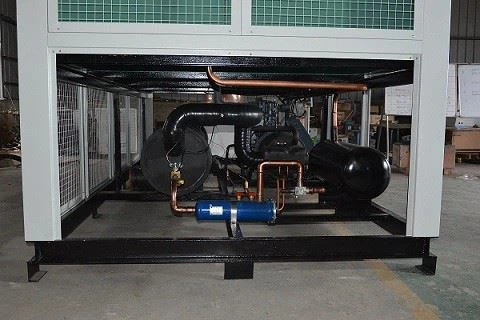
Importance of Regular Maintenance
To ensure that the pressure switch functions properly, regular maintenance is essential. Over time, the pressure switch can become dirty, corroded, or worn out, which can affect its accuracy and reliability. It is recommended to inspect the pressure switch regularly as part of the chiller's maintenance schedule. This includes checking the electrical connections, cleaning the switch contacts, and verifying the set pressure limits. Any signs of damage or malfunction should be addressed immediately to prevent potential problems.
Our Air Cooled Chiller Offerings
As an air cooled chiller supplier, we offer a wide range of high - quality chillers to meet the diverse needs of our customers. Our Air Chiller models are designed for efficiency and reliability, with advanced features such as energy - saving compressors and intelligent control systems. We also have Anti - Corrosion Air Cooled Screw or Scroll Chiller options, which are ideal for harsh environments where corrosion is a concern. And our Industrial Air Cooled Water Chiller is perfect for large - scale industrial applications, providing powerful cooling performance.
Conclusion
The pressure switch is a vital component in an air cooled chiller, providing both safety protection and system control. By monitoring the pressure of the refrigerant in the system, it helps to prevent damage to the equipment and ensures efficient operation. As an air cooled chiller supplier, we understand the importance of high - quality components like the pressure switch in delivering reliable and efficient cooling solutions. If you are in the market for an air cooled chiller or need to upgrade your existing system, we invite you to contact us for a consultation. Our team of experts can help you select the right chiller for your specific needs and provide you with the support and service you deserve.
References
- ASHRAE Handbook - Refrigeration. American Society of Heating, Refrigerating and Air - Conditioning Engineers.
- Chiller Operation and Maintenance Manuals from leading chiller manufacturers.


