


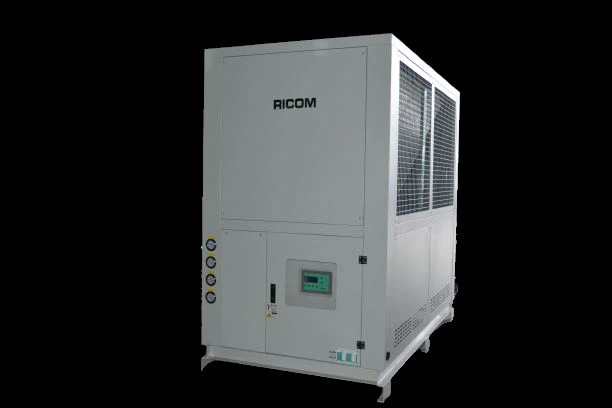
When it comes to industrial cooling solutions, an Air Cooled Scroll Chiller is a popular choice for many businesses. As a leading supplier of these chillers, I understand the importance of proper installation to ensure optimal performance and longevity. In this blog post, I will discuss the key installation requirements for an air cooled scroll chiller.
Site Selection
The first step in installing an air cooled scroll chiller is selecting the right site. The location should meet the following criteria:

Adequate Space
The chiller needs sufficient space for installation, operation, and maintenance. There should be enough clearance around the unit for proper airflow. As a general rule, there should be at least 3 feet (0.91 meters) of clearance on all sides of the chiller. This allows for easy access to components for maintenance and ensures that the condenser can expel heat effectively.
Ventilation
Good ventilation is crucial for an air cooled scroll chiller. The condenser of the chiller releases heat into the surrounding air, and if the area is poorly ventilated, the chiller's efficiency will decrease. The site should be in an open area where hot air can be easily dissipated. Avoid installing the chiller in a confined space or near walls that can block the airflow. For example, do not place the chiller in a corner or against a solid wall without proper ventilation openings.
Level Surface
The chiller must be installed on a level surface. An uneven surface can cause stress on the chiller's components, leading to premature wear and tear. Use a spirit level to ensure that the surface is perfectly horizontal. If the surface is not level, shims can be used to adjust the chiller's position.
Protection from the Elements
The chiller should be protected from extreme weather conditions. While air cooled scroll chillers are designed to withstand normal outdoor conditions, excessive exposure to rain, snow, or direct sunlight can damage the unit. Consider installing the chiller under a shelter or in a climate - controlled environment if possible.
Electrical Requirements
Proper electrical installation is essential for the safe and efficient operation of an air cooled scroll chiller.
Power Supply
The chiller requires a stable and appropriate power supply. Check the chiller's specifications to determine the required voltage, frequency, and phase. For example, most industrial air cooled scroll chillers operate on three - phase power. Ensure that the electrical system at the installation site can provide the necessary power without overloading.
Wiring
Use high - quality electrical wiring that is sized correctly for the chiller's electrical load. The wiring should be installed in accordance with local electrical codes. All connections should be tight and secure to prevent electrical arcing and short circuits. It is recommended to have a professional electrician perform the electrical installation to ensure compliance with safety standards.
Circuit Protection
Install appropriate circuit protection devices such as circuit breakers or fuses. These devices will protect the chiller from electrical overloads and short circuits. The rating of the circuit protection device should match the chiller's electrical requirements.
Water and Refrigerant Connections
If the air cooled scroll chiller has water - related components (such as in a water - cooled condenser or for internal heat transfer), proper water connections are necessary.
Water Supply
For chillers with water - cooled condensers, a clean and reliable water supply is required. The water should be free from contaminants such as dirt, debris, and chemicals that can damage the chiller's components. The water supply should also have the appropriate pressure and flow rate as specified by the chiller's manufacturer.
Water Piping
Use high - quality water piping that is resistant to corrosion. The piping should be properly sized to ensure adequate water flow. All water connections should be leak - free to prevent water damage to the chiller and the surrounding area.
Refrigerant Charging
The refrigerant in the chiller must be charged correctly. This should be done by a qualified technician who is trained in refrigerant handling. Incorrect refrigerant charging can lead to poor cooling performance, increased energy consumption, and potential damage to the compressor.
Mounting and Anchoring
Proper mounting and anchoring of the air cooled scroll chiller are important for its stability and safety.
Mounting Brackets
Use the appropriate mounting brackets provided by the chiller manufacturer. These brackets are designed to support the weight of the chiller and ensure a secure installation. Make sure the brackets are firmly attached to the surface on which the chiller is being installed.
Anchoring
Anchor the chiller to the surface to prevent it from moving during operation. This is especially important in areas prone to vibrations or seismic activity. Use bolts or other suitable anchoring devices to secure the chiller in place.
Commissioning and Testing
After the installation is complete, the chiller needs to be commissioned and tested.
System Check
Perform a thorough system check to ensure that all components are installed correctly and are functioning properly. Check the electrical connections, water connections, refrigerant levels, and mechanical components such as fans and compressors.
Performance Testing
Run the chiller and test its performance. Measure the cooling capacity, energy consumption, and other relevant parameters to ensure that the chiller is operating within the specified range. If any issues are detected during the testing, they should be addressed immediately.
Maintenance Considerations
Proper maintenance is essential for the long - term performance of an air cooled scroll chiller.
Accessibility
During the installation, ensure that all components of the chiller are easily accessible for maintenance. This includes access to the condenser coils, compressor, filters, and other parts. Adequate space should be provided around the chiller to allow technicians to perform maintenance tasks safely and efficiently.
Regular Inspections
Establish a regular inspection schedule for the chiller. Inspect the electrical system, water connections, refrigerant levels, and mechanical components on a regular basis. Replace filters, lubricate moving parts, and clean the condenser coils as recommended by the manufacturer.
In conclusion, installing an air cooled scroll chiller requires careful planning and attention to detail. By following these installation requirements, you can ensure that your chiller operates efficiently and reliably for many years. If you are considering purchasing an Air Cooled Scroll Chiller, Air Cooled Industrial Water Chiller, or Air Cooled Industrial Chiller, our team of experts can provide you with the necessary guidance and support. We are committed to helping you find the right cooling solution for your industrial needs. If you have any questions or would like to discuss your requirements further, please feel free to contact us for a detailed consultation and to start the procurement process.
References
ASHRAE Handbook - HVAC Systems and Equipment. American Society of Heating, Refrigerating and Air - Conditioning Engineers.
Manufacturer's installation and operation manuals for air cooled scroll chillers.


