


Scale formation in a water cooled chiller is a common and troublesome issue that can significantly impact the chiller's performance and lifespan. As a trusted water cooled chiller supplier, I understand the importance of preventing and removing scale to ensure the efficient operation of these essential cooling systems. In this blog post, I'll share some effective strategies and methods for dealing with scale in water cooled chillers.

Understanding Scale Formation
Before we delve into prevention and removal methods, it's crucial to understand how scale forms in a water cooled chiller. Scale is primarily composed of mineral deposits, such as calcium carbonate, magnesium carbonate, and other salts, that precipitate out of the water. This occurs when the water temperature rises, causing the solubility of these minerals to decrease. As a result, they crystallize and adhere to the surfaces of the chiller's heat exchangers, pipes, and other components.
The presence of scale can have several negative effects on a water cooled chiller. Firstly, it acts as an insulator, reducing the heat transfer efficiency of the system. This means that the chiller has to work harder to achieve the desired cooling effect, leading to increased energy consumption and higher operating costs. Secondly, scale can restrict the flow of water through the pipes, causing pressure drops and potentially leading to system malfunctions. Over time, severe scale buildup can even cause permanent damage to the chiller components, requiring costly repairs or replacements.
Prevention of Scale Formation
Preventing scale formation is the most effective way to maintain the performance and longevity of a water cooled chiller. Here are some key strategies that I recommend:
Water Treatment
One of the most important steps in scale prevention is proper water treatment. This involves removing or reducing the concentration of scale-forming minerals in the water before it enters the chiller system. There are several water treatment methods available, including:
- Filtration: Installing a high-quality water filter can help remove suspended solids and particulate matter from the water, which can contribute to scale formation. Filters can be mechanical, such as sand filters or cartridge filters, or they can use more advanced technologies like reverse osmosis or ion exchange.
- Softening: Water softening is a process that removes calcium and magnesium ions from the water, which are the primary components of scale. This can be achieved through ion exchange resin, which replaces the calcium and magnesium ions with sodium ions. Softened water has a lower tendency to form scale, reducing the risk of buildup in the chiller system.
- Chemical Treatment: Chemical treatment involves adding chemicals to the water to prevent scale formation. These chemicals can include scale inhibitors, which work by interfering with the crystallization process of the scale-forming minerals, and dispersants, which help keep the scale particles in suspension and prevent them from adhering to the surfaces. It's important to use the right type and amount of chemicals, as overuse can also cause problems.
Regular Maintenance
Regular maintenance is essential for preventing scale formation in a water cooled chiller. This includes:
- Inspection and Cleaning: Regularly inspect the chiller components for signs of scale buildup, such as reduced heat transfer efficiency or increased pressure drops. If scale is detected, clean the affected areas using appropriate cleaning methods. This can help prevent the scale from becoming too thick and causing permanent damage.
- Water Quality Monitoring: Continuously monitor the quality of the water in the chiller system, including parameters such as pH, hardness, and conductivity. This can help detect any changes in the water chemistry that may indicate an increased risk of scale formation. Based on the monitoring results, adjustments can be made to the water treatment program as needed.
- System Flushing: Periodically flush the chiller system with clean water to remove any accumulated scale and debris. This can help maintain the proper flow of water through the pipes and prevent blockages.
Operating Conditions
Maintaining proper operating conditions can also help prevent scale formation in a water cooled chiller. This includes:
- Temperature Control: Keep the water temperature within the recommended range for the chiller system. High water temperatures can increase the risk of scale formation, so it's important to ensure that the cooling system is operating efficiently and that the water is not being overheated.
- Flow Rate Control: Maintain a consistent and appropriate flow rate of water through the chiller system. A low flow rate can cause the water to stay in the system for longer periods, increasing the likelihood of scale formation. On the other hand, a high flow rate can cause erosion and damage to the pipes and components.
- Air Venting: Properly vent the air from the chiller system to prevent the formation of air pockets, which can disrupt the flow of water and contribute to scale formation.
Removal of Scale
Despite our best efforts to prevent scale formation, it may still occur in a water cooled chiller over time. When this happens, it's important to remove the scale as soon as possible to restore the system's performance. Here are some common methods for scale removal:
Chemical Cleaning
Chemical cleaning is one of the most effective methods for removing scale from a water cooled chiller. This involves using chemical cleaners that are specifically designed to dissolve the scale deposits. The choice of cleaner depends on the type of scale and the materials of the chiller components. Some common chemical cleaners include:
- Acidic Cleaners: Acidic cleaners, such as hydrochloric acid or citric acid, are effective for removing calcium carbonate scale. They work by reacting with the scale to form soluble salts, which can then be flushed out of the system. However, acidic cleaners can be corrosive to some metals, so it's important to use them with caution and follow the manufacturer's instructions.
- Alkaline Cleaners: Alkaline cleaners, such as sodium hydroxide or potassium hydroxide, are effective for removing organic scale and some types of metal oxides. They work by breaking down the scale into smaller particles, which can then be removed by flushing. Alkaline cleaners are generally less corrosive than acidic cleaners, but they can still cause damage to some materials if not used properly.
When using chemical cleaners, it's important to follow the proper safety procedures and wear appropriate protective equipment. The cleaning process should also be carefully monitored to ensure that the scale is completely removed without causing any damage to the chiller components.
Mechanical Cleaning
Mechanical cleaning involves using physical methods to remove the scale from the chiller components. This can include:
- Brushing and Scraping: For small-scale deposits, brushing and scraping can be an effective way to remove the scale. This can be done using a soft brush or a scraper to gently remove the scale from the surfaces of the heat exchangers, pipes, and other components.
- High-Pressure Water Jetting: High-pressure water jetting is a more powerful method for removing scale. It involves using a high-pressure water stream to blast the scale off the surfaces of the components. This method is particularly effective for removing thick and hard scale deposits.
Mechanical cleaning can be time-consuming and labor-intensive, but it can be a good option for removing scale from areas that are difficult to reach or where chemical cleaning is not suitable.
Conclusion
Preventing and removing scale in a water cooled chiller is essential for maintaining its performance and longevity. By implementing proper water treatment, regular maintenance, and appropriate operating conditions, you can significantly reduce the risk of scale formation. In the event that scale does occur, prompt and effective scale removal methods can help restore the system's efficiency and prevent further damage.
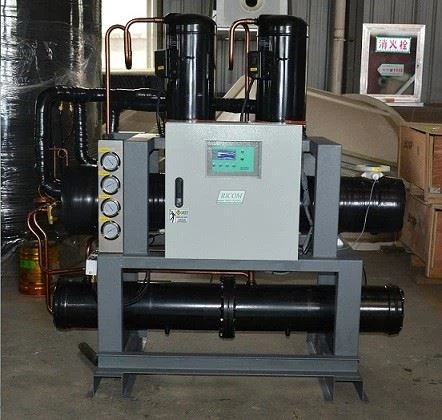
As a water cooled chiller supplier, I am committed to providing high-quality products and solutions to help our customers prevent and manage scale issues. Our 210KW 60RT Water-cooled Scroll Chiller, Water Chiller Machine, and Stainless Steel Water Cooled Screw or Scroll Chiller are designed to operate efficiently and reliably, even in challenging water conditions. If you have any questions or need assistance with scale prevention or removal in your water cooled chiller, please don't hesitate to contact us. We look forward to discussing your specific needs and providing you with the best solutions for your cooling requirements.
References
- ASHRAE Handbook - HVAC Systems and Equipment. American Society of Heating, Refrigerating and Air-Conditioning Engineers.
- Water Treatment Handbook. Ecolab.
- Chiller Maintenance Guide. Trane.


