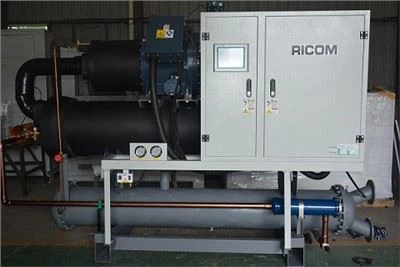
Defrosting the evaporator of an air-cooled screw chiller is a crucial maintenance task that ensures the efficient and reliable operation of the chiller system. As a leading supplier of air-cooled screw chillers, we understand the importance of proper defrosting procedures and are here to guide you through the process.
Understanding the Need for Defrosting
In an air-cooled screw chiller, the evaporator plays a vital role in the refrigeration cycle. It absorbs heat from the process fluid or space being cooled and transfers it to the refrigerant. However, during operation, moisture in the air can condense on the evaporator coils and freeze, forming a layer of frost. This frost buildup can significantly reduce the heat transfer efficiency of the evaporator, leading to decreased cooling capacity, increased energy consumption, and potential damage to the chiller components.
Signs of Frost Buildup
There are several signs that indicate the presence of frost on the evaporator of an air-cooled screw chiller. These include:
- Reduced cooling capacity: If you notice a decrease in the cooling performance of your chiller, it could be due to frost buildup on the evaporator.
- Increased energy consumption: Frost on the evaporator can cause the chiller to work harder to maintain the desired temperature, resulting in higher energy consumption.
- Ice formation on the evaporator coils: Visible ice on the evaporator coils is a clear indication of frost buildup.
- Unusual noises or vibrations: Frost buildup can cause the evaporator to operate unevenly, leading to unusual noises or vibrations.
Defrosting Methods
There are several methods for defrosting the evaporator of an air-cooled screw chiller. The most common methods include:
- Hot gas defrost: This method involves diverting hot refrigerant gas from the compressor discharge line to the evaporator. The hot gas melts the frost on the evaporator coils, allowing the water to drain away.
- Electric defrost: Electric defrost uses electric heaters installed on the evaporator coils to melt the frost. This method is typically used in smaller chiller systems.
- Off-cycle defrost: In off-cycle defrost, the chiller is shut down for a period of time to allow the frost to melt naturally. This method is less efficient than hot gas or electric defrost but can be used in situations where the frost buildup is not severe.
Step-by-Step Guide to Defrosting
Here is a step-by-step guide to defrosting the evaporator of an air-cooled screw chiller using the hot gas defrost method:
- Prepare the chiller: Before starting the defrosting process, make sure the chiller is in a safe operating condition. Turn off the power to the chiller and ensure that all safety switches are engaged.
- Isolate the evaporator: Close the liquid and suction valves on the evaporator to isolate it from the rest of the refrigeration system.
- Activate the defrost cycle: Start the defrost cycle by opening the hot gas valve to allow hot refrigerant gas to flow into the evaporator. Monitor the pressure and temperature of the evaporator during the defrost cycle to ensure that it is operating within the recommended range.
- Drain the water: As the frost melts, water will accumulate at the bottom of the evaporator. Open the drain valve to allow the water to drain away.
- Monitor the defrost process: Continue to monitor the defrost process until all the frost has melted and the evaporator is dry. This may take several minutes to several hours, depending on the severity of the frost buildup.
- Resume normal operation: Once the defrost cycle is complete, close the hot gas valve and open the liquid and suction valves on the evaporator. Start the chiller and allow it to return to normal operation.
Tips for Effective Defrosting
To ensure effective defrosting of the evaporator of an air-cooled screw chiller, consider the following tips:
- Regular maintenance: Perform regular maintenance on your chiller to prevent frost buildup. This includes cleaning the evaporator coils, checking the refrigerant levels, and inspecting the defrost system.
- Proper installation: Ensure that the chiller is installed in a well-ventilated area with adequate clearance around the evaporator. This will help to prevent moisture from accumulating on the coils and reduce the risk of frost buildup.
- Optimal operating conditions: Maintain the chiller at optimal operating conditions to minimize the formation of frost. This includes setting the temperature and humidity levels within the recommended range and ensuring that the chiller is not overloaded.
- Use a defrost controller: Install a defrost controller to automate the defrosting process and ensure that it is performed at the appropriate intervals. This will help to prevent excessive frost buildup and improve the efficiency of the chiller.
Conclusion
Defrosting the evaporator of an air-cooled screw chiller is an important maintenance task that ensures the efficient and reliable operation of the chiller system. By following the steps outlined in this guide and implementing the tips for effective defrosting, you can prevent frost buildup, improve the cooling performance of your chiller, and reduce energy consumption.
If you are in the market for an air-cooled screw chiller or need assistance with defrosting or other maintenance tasks, please contact us. We are a leading supplier of Explosion-Proof Air Cooled Screw or Piston Chiller, 15KW 4RT Air-Cooled Scroll Chiller, and Cold Plunge Chiller, and our team of experts is here to help you find the right solution for your needs.


References
- ASHRAE Handbook - Refrigeration
- Manufacturer's operating and maintenance manuals for air-cooled screw chillers