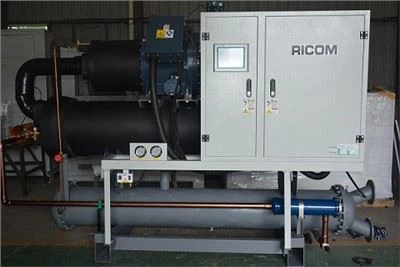
Hey there! I'm a supplier of water cooled chillers, and I know firsthand how frustrating a refrigerant overcharge can be. It's not just a minor hiccup; it can seriously mess with the performance and lifespan of your chiller. So, let's dive into how you can correct this issue and get your chiller back in top shape.
Understanding the Problem
First things first, let's talk about why refrigerant overcharge happens in the first place. Sometimes, it's a simple mistake during the installation or maintenance process. Maybe the technician added a bit too much refrigerant, thinking it would boost the chiller's cooling capacity. But in reality, it can do more harm than good.
When there's too much refrigerant in the system, it can cause a whole bunch of problems. For starters, it can increase the pressure inside the chiller, putting extra strain on the compressor and other components. This can lead to premature wear and tear, and in some cases, even cause the compressor to fail.
Another issue is that an overcharged system may not be able to remove heat effectively. The excess refrigerant can prevent the proper flow of the refrigerant through the evaporator and condenser coils, reducing the chiller's cooling efficiency. This means your chiller will have to work harder to maintain the desired temperature, leading to higher energy consumption and increased operating costs.
Signs of Refrigerant Overcharge
So, how do you know if your water cooled chiller is overcharged? Here are some common signs to look out for:
- High Discharge Pressure: If you notice that the discharge pressure of the compressor is higher than normal, it could be a sign of refrigerant overcharge.
- Increased Condenser Temperature: An overcharged system may cause the condenser temperature to rise above the recommended level.
- Poor Cooling Performance: If your chiller is not cooling as effectively as it used to, or if it's taking longer to reach the desired temperature, it could be due to refrigerant overcharge.
- Excessive Energy Consumption: As mentioned earlier, an overcharged system will have to work harder to maintain the desired temperature, resulting in higher energy consumption.
- Liquid Floodback: In some cases, excessive refrigerant can cause liquid refrigerant to enter the compressor, which can lead to compressor damage.
Correcting Refrigerant Overcharge
Now that you know the signs of refrigerant overcharge, let's talk about how to correct it. Here are the steps you can take:
Step 1: Gather the Necessary Tools
Before you start, make sure you have all the tools you need. This includes a refrigerant gauges set, a recovery machine, a scale, and a set of wrenches.
Step 2: Shut Down the Chiller
For safety reasons, it's important to shut down the chiller before you start working on it. This will prevent any accidental release of refrigerant and reduce the risk of electrical shock.
Step 3: Check the Refrigerant Pressure
Use the refrigerant gauges set to check the pressure of the refrigerant in the system. Compare the readings with the manufacturer's specifications to determine if the system is overcharged.
Step 4: Recover the Excess Refrigerant
If the system is overcharged, you'll need to recover the excess refrigerant using a recovery machine. Connect the recovery machine to the chiller's refrigerant lines and follow the manufacturer's instructions to start the recovery process.
Step 5: Weigh the Refrigerant
Once you've recovered the excess refrigerant, weigh it using a scale. This will help you determine how much refrigerant was removed from the system.


Step 6: Recharge the System
After you've removed the excess refrigerant, you'll need to recharge the system with the correct amount of refrigerant. Refer to the chiller's manual or the manufacturer's specifications to determine the correct refrigerant charge.
Step 7: Check the System Performance
Once you've recharged the system, start the chiller and check its performance. Monitor the refrigerant pressure and temperature, and make sure the chiller is cooling effectively.
Preventing Refrigerant Overcharge
Of course, the best way to deal with refrigerant overcharge is to prevent it from happening in the first place. Here are some tips to help you avoid overcharging your water cooled chiller:
- Follow the Manufacturer's Instructions: When installing or maintaining your chiller, make sure you follow the manufacturer's instructions carefully. This includes using the correct type and amount of refrigerant.
- Use a Professional Technician: If you're not experienced in working with refrigeration systems, it's best to hire a professional technician to install and maintain your chiller. A qualified technician will have the knowledge and skills to ensure that the system is properly charged and functioning correctly.
- Regular Maintenance: Regular maintenance is key to keeping your chiller in good condition. Make sure you schedule regular maintenance checks with a professional technician to inspect the system for any signs of problems, including refrigerant overcharge.
- Monitor the System Performance: Keep an eye on the performance of your chiller, including the refrigerant pressure, temperature, and cooling capacity. If you notice any changes in the system's performance, it could be a sign of a problem, including refrigerant overcharge.
Conclusion
Refrigerant overcharge is a common problem that can have serious consequences for the performance and lifespan of your water cooled chiller. By understanding the signs of overcharge and following the steps outlined in this blog post, you can correct the issue and get your chiller back in top shape. Remember, prevention is always better than cure, so make sure you take the necessary steps to prevent refrigerant overcharge from happening in the first place.
If you're in the market for a new water cooled chiller, we offer a range of high-quality Anti-Corrosion Water Cooled Screw or Scroll Chiller, Chiller Unit, and Water Chiller System to meet your specific needs. Contact us today to learn more about our products and how we can help you find the right solution for your business.
References
- Refrigeration and Air Conditioning Technology by William C. Whitman, William M. Johnson, and John A. Tomczyk
- ASHRAE Handbook - Refrigeration