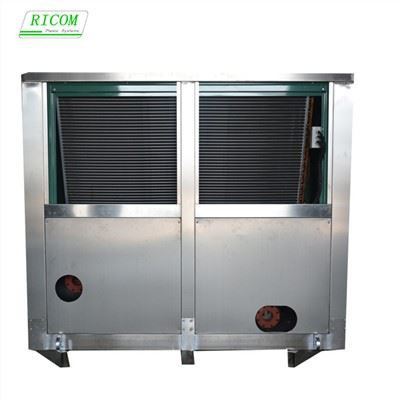
As a provider of water cooled screw chillers, I often encounter questions from customers regarding the upgradeability of the control panel of these systems. In this blog post, I will delve into the details of whether the control panel of a water cooled screw chiller can be upgraded, exploring the benefits, considerations, and the general process involved.
Understanding Water Cooled Screw Chillers
Before we discuss the upgrade of the control panel, it's essential to have a basic understanding of water cooled screw chillers. These chillers are a crucial part of many industrial and commercial cooling systems. They use a screw compressor to compress refrigerant, and the heat generated during this process is removed by a water - cooled condenser.
Water cooled screw chillers are known for their high efficiency, reliability, and ability to handle large cooling loads. They are widely used in various industries such as manufacturing, data centers, and hospitals. You can learn more about the overall Water Chiller System on our website. For those interested in the differences between screw and scroll types, check out our Water Cooled Screw or Scroll Chiller page. And if you want to focus specifically on screw compressor chillers, visit Screw Compressor Chiller.
The Role of the Control Panel
The control panel of a water cooled screw chiller is like the brain of the system. It monitors and controls various parameters such as temperature, pressure, and flow rate. It also manages the operation of the compressor, pumps, and other components to ensure the chiller operates efficiently and safely.
A modern control panel can provide real - time data, allow for remote monitoring and control, and even optimize the chiller's performance based on the actual load conditions. However, as technology advances, older control panels may become outdated, lacking the latest features and capabilities.


Can the Control Panel Be Upgraded?
The short answer is yes, the control panel of a water cooled screw chiller can usually be upgraded. There are several reasons why a customer might consider upgrading the control panel:
1. Improved Energy Efficiency
Newer control panels often come with advanced algorithms that can optimize the chiller's operation to reduce energy consumption. For example, they can adjust the compressor speed based on the cooling load, which can lead to significant energy savings over time.
2. Enhanced Monitoring and Control
Upgraded control panels typically offer more comprehensive monitoring capabilities. They can provide detailed information about the chiller's performance, such as refrigerant temperatures, compressor power consumption, and system pressures. This data can be used for preventive maintenance and troubleshooting. Additionally, many modern control panels support remote monitoring and control, allowing operators to manage the chiller from anywhere using a computer or mobile device.
3. Compatibility with New Technologies
As the industry evolves, new technologies such as the Internet of Things (IoT) and cloud - based systems are becoming more prevalent. Upgrading the control panel can make the chiller compatible with these technologies, enabling better integration with other building management systems and improving overall system efficiency.
4. Safety and Reliability
Newer control panels often have improved safety features. They can detect potential problems early and take preventive measures to avoid system failures. For example, they can shut down the chiller in case of abnormal operating conditions to prevent damage to the equipment.
Considerations Before Upgrading
While upgrading the control panel can offer many benefits, there are also some considerations that need to be taken into account:
1. Compatibility
Before upgrading, it's crucial to ensure that the new control panel is compatible with the existing chiller system. This includes checking the electrical connections, communication protocols, and the physical dimensions of the control panel. In some cases, minor modifications to the chiller may be required to accommodate the new control panel.
2. Cost
The cost of upgrading the control panel includes not only the purchase price of the new panel but also the installation and commissioning costs. It's important to weigh the cost of the upgrade against the expected benefits, such as energy savings and improved performance. In some cases, a cost - benefit analysis may be necessary to determine if the upgrade is financially viable.
3. Downtime
Upgrading the control panel usually requires shutting down the chiller for a certain period. This can cause disruptions to the cooling system, especially in industries where continuous cooling is critical. Therefore, it's important to plan the upgrade during a period of low demand or schedule maintenance downtime in advance.
4. Technical Expertise
Installing and commissioning a new control panel requires technical expertise. It's recommended to hire a professional technician or a service provider with experience in chiller control systems. They can ensure that the upgrade is carried out correctly and that the new control panel is properly configured and calibrated.
The Upgrade Process
The process of upgrading the control panel of a water cooled screw chiller typically involves the following steps:
1. Assessment
The first step is to assess the existing chiller system and the control panel. A technician will evaluate the current condition of the control panel, check for any compatibility issues, and determine the specific requirements for the upgrade.
2. Selection
Based on the assessment, the appropriate control panel will be selected. This involves considering factors such as the features, capabilities, and cost of the control panel. It's also important to choose a control panel from a reputable manufacturer to ensure quality and reliability.
3. Installation
Once the control panel is selected, it will be installed in the chiller system. This includes connecting the electrical wires, sensors, and other components. The technician will also ensure that the physical installation is secure and that all connections are properly made.
4. Configuration and Calibration
After the installation, the new control panel needs to be configured and calibrated. This involves setting up the parameters such as temperature setpoints, pressure limits, and compressor control algorithms. The technician will also perform tests to ensure that the control panel is functioning correctly and that the chiller system is operating within the specified parameters.
5. Training
Finally, the operators of the chiller system should receive training on how to use the new control panel. This includes learning about the various features, functions, and how to perform basic troubleshooting. Proper training is essential to ensure that the operators can effectively manage the chiller system and take full advantage of the new control panel.
Conclusion
In conclusion, upgrading the control panel of a water cooled screw chiller is a viable option that can offer many benefits, including improved energy efficiency, enhanced monitoring and control, compatibility with new technologies, and increased safety and reliability. However, it's important to carefully consider the compatibility, cost, downtime, and technical expertise required before proceeding with the upgrade.
If you are considering upgrading the control panel of your water cooled screw chiller or have any other questions about our products, we encourage you to reach out to us. Our team of experts is ready to assist you in making the right decision for your cooling needs. Contact us today to start the procurement and negotiation process.
References
- ASHRAE Handbook - HVAC Systems and Equipment.
- Chiller Manufacturer's Technical Documentation.
- Industry Reports on Energy - Efficient Chiller Technologies.