


Ensuring the safety of a stainless steel chiller during operation is of paramount importance for both the longevity of the equipment and the well - being of the operators. As a stainless steel chiller supplier, I have gathered a wealth of experience in understanding the key factors that contribute to the safe operation of these chillers. In this blog post, I will share some essential tips and practices to guarantee the safety of stainless steel chillers, helping you avoid potential hazards and keep your operations running smoothly.
Pre - operation Safety Checks
Before starting the stainless steel chiller, a series of thorough checks should be carried out. First of all, inspect the physical components of the chiller. This includes examining the stainless steel body for any signs of corrosion, dents, or cracks. A damaged body can lead to refrigerant leaks, which are not only harmful to the environment but also pose a safety risk to the operators. Make sure all the joints and connections are tight and secure to prevent any refrigerant or water leakage.
Check the electrical connections as well. Loose or faulty electrical connections can cause short - circuits, electrical shocks, or even fires. Ensure that all the wires are properly insulated and there are no signs of fraying or overheating. Use a multimeter to check the voltage and current values to ensure they are within the safe operating range.
The refrigerant level is another crucial aspect. Insufficient refrigerant can cause the chiller to malfunction, while an over - charged system can put excessive pressure on the components, leading to potential explosions. Refer to the manufacturer's guidelines to check and adjust the refrigerant level accurately.
Installation Considerations
Proper installation is the foundation of safe chiller operation. The chiller should be installed on a flat, stable surface that can support its weight. Uneven surfaces can cause the chiller to vibrate excessively during operation, which may damage the internal components and lead to safety issues.
Ensure adequate ventilation around the chiller. Stainless steel chillers generate heat during operation, and proper ventilation is necessary to dissipate this heat. If the chiller is installed in a confined space without proper ventilation, the temperature inside the space can rise significantly, which can affect the performance of the chiller and also pose a fire risk.
When installing the piping system for the chiller, make sure it is properly sized and configured. Inadequate pipe sizing can cause high - pressure drops, which can lead to reduced efficiency and potential damage to the compressor. Additionally, the piping should be supported properly to prevent sagging or movement during operation.
Operation and Monitoring
During the operation of the stainless steel chiller, it is essential to follow the manufacturer's operating instructions strictly. Do not overload the chiller by exceeding its rated capacity. Overloading can cause the compressor to overheat, which can lead to compressor failure and potentially dangerous situations.
Regularly monitor the key parameters of the chiller, such as temperature, pressure, and flow rate. Install sensors and meters to continuously track these parameters. If any abnormal values are detected, such as a sudden increase in pressure or a significant drop in temperature, stop the chiller immediately and investigate the cause.
For example, if you are using an Air Cooled Screw or Scroll Chiller, the operating principles and safety requirements may vary slightly from other types of chillers. Understanding the specific characteristics of your chiller model is crucial for safe operation.
Maintenance and Service
Regular maintenance is the key to ensuring the long - term safety of the stainless steel chiller. Schedule routine inspections and servicing to check the condition of all components. Clean the condenser and evaporator coils regularly to remove dirt, dust, and debris. Dirty coils can reduce the efficiency of the chiller and cause it to work harder, which can lead to overheating and potential breakdowns.
Change the filters regularly. A clogged filter can restrict the airflow, which can affect the performance of the chiller and increase the energy consumption. Inspect the belts and pulleys (if applicable) and replace them if they show signs of wear or damage.
Lubricate the moving parts according to the manufacturer's recommendations. Proper lubrication reduces friction and wear, which can extend the lifespan of the components and prevent unexpected failures.
Training for Operators
Proper training for the operators is essential to ensure the safe operation of the stainless steel chiller. Operators should be familiar with the basic operating principles of the chiller, as well as the safety procedures in case of emergencies. Provide comprehensive training on how to start, stop, and monitor the chiller, and also educate them on the potential hazards and how to prevent them.
Training should also cover the proper use of personal protective equipment (PPE). Operators should wear appropriate PPE, such as safety glasses, gloves, and ear protection, when working with the chiller. This can protect them from potential refrigerant leaks, electrical shocks, and noise - related hazards.
Emergency Preparedness
Despite all the preventive measures, emergencies can still occur. It is important to have an emergency plan in place. The emergency plan should include procedures for dealing with refrigerant leaks, electrical failures, and fire.
In case of a refrigerant leak, operators should be trained to evacuate the area immediately and contact the appropriate emergency response team. For electrical failures, the power supply to the chiller should be cut off immediately to prevent further damage and potential hazards. In case of a fire, the fire suppression system should be activated, and all personnel should follow the evacuation procedures.
Safety Features and Upgrades
Modern stainless steel chillers are equipped with a variety of safety features, such as over - temperature protection, over - pressure protection, and low - refrigerant protection. These features can automatically shut down the chiller when abnormal conditions are detected, preventing potential damage and safety hazards.
Consider upgrading your chiller with the latest safety technologies. For example, some advanced chillers are equipped with remote monitoring systems, which allow operators to monitor the chiller's performance and parameters from a distance. This can help detect potential problems early and take appropriate actions in a timely manner.
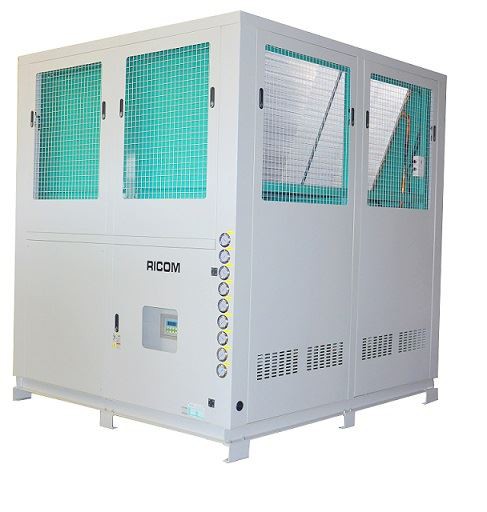

If you are interested in high - quality and safe stainless steel chillers, such as Air Cooled Industrial Water Chiller or Scroll Chiller, we are here to provide you with the best solutions. Whether you have specific requirements for capacity, efficiency, or safety, our team of experts can help you select the most suitable chiller for your needs. We are committed to providing not only top - notch products but also excellent after - sales service. If you have any questions or are interested in purchasing our stainless steel chillers, please feel free to reach out for a detailed discussion.
References
- "Chiller Operation and Maintenance Handbook" by John Wiley & Sons
- Manufacturer's manuals for stainless steel chillers
- Industry standards and guidelines for chiller safety


