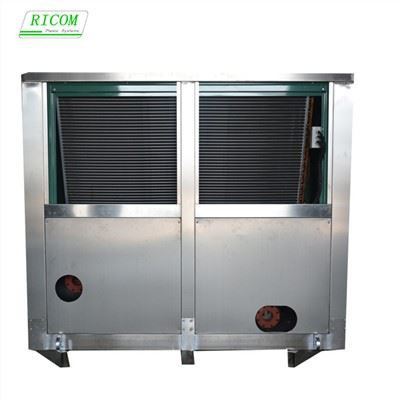
As a seasoned supplier of air cooled chillers, I'm excited to delve into the intricate workings of the oil management system in these essential cooling units. Air cooled chillers are widely used in various industries, from manufacturing to laboratories, providing reliable cooling solutions. Understanding how the oil management system operates is crucial for ensuring the efficient and long - lasting performance of these chillers.
The Role of Oil in an Air Cooled Chiller
Before we explore the oil management system, it's important to understand the role of oil in an air cooled chiller. Oil serves several vital functions. Firstly, it lubricates the moving parts within the compressor, reducing friction and wear. This is essential as the compressor is the heart of the chiller, and any excessive wear can lead to costly breakdowns and reduced efficiency. Secondly, oil helps to seal the compression chambers in the compressor, preventing refrigerant leakage and ensuring optimal compression ratios. Additionally, oil aids in heat transfer, carrying heat away from the compressor and contributing to the overall cooling process.


Components of the Oil Management System
The oil management system in an air cooled chiller consists of several key components, each playing a specific role in maintaining the proper oil level and distribution throughout the system.
Oil Sump
The oil sump is the reservoir where the majority of the oil is stored. It is typically located at the bottom of the compressor. The size of the oil sump is designed to hold an adequate amount of oil to meet the lubrication and sealing requirements of the compressor during normal operation.
Oil Pump
The oil pump is responsible for circulating the oil throughout the system. It draws oil from the oil sump and pressurizes it before sending it to the various parts of the compressor that require lubrication. The pump ensures a continuous supply of oil, even under high - load conditions.
Oil Filter
The oil filter is an important component that removes contaminants and debris from the oil. Over time, the oil can pick up particles such as metal shavings, dirt, and sludge. These contaminants can cause damage to the compressor if they are allowed to circulate freely. The oil filter traps these particles, ensuring that only clean oil reaches the critical components of the compressor.
Oil Separator
The oil separator is designed to separate the oil from the refrigerant vapor. When the refrigerant leaves the compressor, it often carries a small amount of oil with it. The oil separator uses centrifugal force or other separation techniques to separate the oil from the refrigerant. The separated oil is then returned to the oil sump, while the refrigerant continues on its journey through the refrigeration cycle.
Oil Cooler
In some air cooled chillers, an oil cooler is used to maintain the proper oil temperature. As the oil circulates through the compressor, it absorbs heat. If the oil temperature becomes too high, it can lose its lubricating properties and may cause damage to the compressor. The oil cooler uses either air or water to remove heat from the oil, keeping it within the optimal temperature range.
The Oil Management Process
The oil management process in an air cooled chiller can be divided into several steps.
Oil Circulation
The oil pump starts the process by drawing oil from the oil sump. The pressurized oil is then sent through the oil filter to remove any contaminants. After passing through the filter, the oil is distributed to the various parts of the compressor that require lubrication, such as the bearings, pistons, and gears.
Oil Separation
As the refrigerant leaves the compressor, it enters the oil separator. The oil separator separates the oil from the refrigerant vapor. The separated oil is then returned to the oil sump through a return line. This ensures that the oil remains in the system and is available for re - use.
Oil Temperature Control
If an oil cooler is present in the system, it helps to maintain the proper oil temperature. The oil cooler continuously monitors the oil temperature and activates when the temperature exceeds the set limit. By removing heat from the oil, the cooler ensures that the oil remains within the optimal temperature range for effective lubrication.
Oil Level Monitoring
Proper oil level is crucial for the efficient operation of the compressor. Most air cooled chillers are equipped with an oil level sensor that monitors the oil level in the oil sump. If the oil level drops below a certain point, the sensor sends a signal to the control system, which may trigger an alarm or shut down the compressor to prevent damage.
Importance of a Well - Functioning Oil Management System
A well - functioning oil management system is essential for the reliable and efficient operation of an air cooled chiller. Here are some of the key benefits:
Extended Compressor Life
By providing proper lubrication and cooling, the oil management system helps to reduce wear and tear on the compressor. This extends the lifespan of the compressor, reducing the need for costly repairs and replacements.
Improved Efficiency
Proper oil management ensures that the compressor operates at its optimal efficiency. By reducing friction and maintaining proper sealing, the compressor can achieve higher compression ratios, resulting in lower energy consumption and reduced operating costs.
Reduced Downtime
A malfunctioning oil management system can lead to compressor failures and unplanned downtime. By ensuring the proper operation of the oil management system, you can minimize the risk of downtime and keep your cooling system running smoothly.
Our Product Offerings
As an air cooled chiller supplier, we offer a wide range of high - quality chillers to meet the diverse needs of our customers. Our Stainless Steel Air Cooled Screw or Scroll Chiller is designed for applications where corrosion resistance is a key requirement. It features a robust oil management system that ensures reliable performance even in harsh environments.
For laboratory applications, our Laboratory Chiller provides precise temperature control and energy - efficient operation. The oil management system in these chillers is optimized to meet the specific requirements of laboratory equipment, ensuring long - term reliability.
Our Air Chillers Cooling solutions are suitable for a variety of industrial applications. These chillers are designed with advanced oil management systems that provide superior lubrication and cooling, resulting in high - performance and low - maintenance operation.
Contact Us for Procurement
If you are in the market for an air cooled chiller and want to learn more about our products and the importance of a well - designed oil management system, we encourage you to contact us. Our team of experts is ready to assist you in selecting the right chiller for your specific needs and to provide you with detailed information about our product offerings. We look forward to the opportunity to work with you and to help you achieve your cooling goals.
References
ASHRAE Handbook - Refrigeration. American Society of Heating, Refrigerating and Air - Conditioning Engineers.
Industrial Refrigeration Handbook. CIBSE (Chartered Institution of Building Services Engineers).