


Hey there! As a supplier of Air Cooled Scroll Chillers, I often get asked how our chillers stack up against absorption chillers. So, I thought I'd take a deep dive into this topic and break it down for you.
Basics of Air Cooled Scroll Chillers and Absorption Chillers
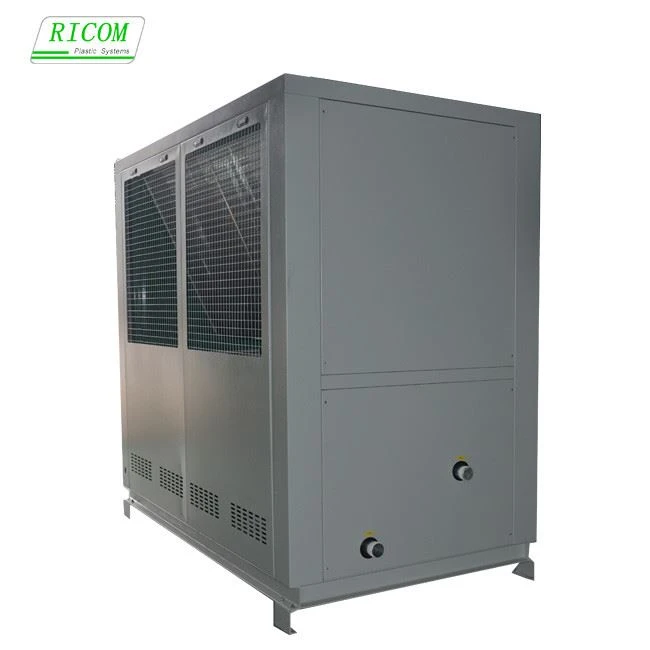
Let's start with the basics. An Air Cooled Industrial Water Chiller uses a scroll compressor to circulate refrigerant and remove heat from a process or space. The heat is then dissipated into the surrounding air through the condenser coils. On the other hand, absorption chillers use a heat source, like steam, hot water, or natural gas, to drive the cooling process. Instead of a mechanical compressor, they rely on an absorption cycle that involves an absorbent and a refrigerant.
Energy Efficiency
One of the most important factors to consider when choosing a chiller is energy efficiency. Air cooled scroll chillers are generally more energy - efficient in small to medium - sized applications. They have a relatively simple design with fewer moving parts, which means less energy is wasted on mechanical operations. The scroll compressor in our Air Chiller is designed to provide a smooth and continuous compression process, reducing energy consumption.
Absorption chillers, however, can be more energy - efficient in large - scale applications where there is a readily available and inexpensive heat source. For example, if a facility has a waste heat recovery system or access to cheap natural gas, an absorption chiller can make use of this energy to produce cooling. But if the heat source has to be generated specifically for the chiller, the overall energy efficiency might not be as good as an air cooled scroll chiller.
Initial Cost
When it comes to the initial investment, air cooled scroll chillers usually have a lower upfront cost. They are more compact and easier to install, which means less installation labor and equipment costs. Our Air Cooled Screw or Scroll Chiller is designed to be a cost - effective solution for many businesses. The scroll compressor technology is well - established and mass - produced, leading to lower manufacturing costs.
Absorption chillers, on the other hand, are more complex and require additional components such as a generator, absorber, and heat exchangers. This complexity drives up the initial cost. Moreover, the installation of an absorption chiller may require more specialized skills and equipment, further increasing the upfront expenses.
Maintenance
Maintenance is another crucial aspect. Air cooled scroll chillers are relatively easy to maintain. The scroll compressor has fewer moving parts compared to other types of compressors, which means less wear and tear. Routine maintenance mainly involves cleaning the condenser coils, checking the refrigerant levels, and inspecting the electrical components. This can usually be done by in - house maintenance staff with basic training.

Absorption chillers, however, require more specialized maintenance. The absorption cycle involves the use of chemicals, and the system needs to be carefully monitored to ensure proper operation. Any imbalance in the absorbent - refrigerant mixture can lead to reduced efficiency or even system failure. Maintenance often requires trained technicians and specialized tools, which can be costly.
Environmental Impact
In terms of environmental impact, air cooled scroll chillers are generally more environmentally friendly. They use refrigerants that have a lower global warming potential (GWP) compared to some of the refrigerants used in older absorption chillers. Also, since they do not rely on a heat source that burns fossil fuels (in most cases), they produce fewer greenhouse gas emissions during normal operation.
Absorption chillers, if powered by natural gas or other fossil fuels, can contribute to greenhouse gas emissions. However, if they are powered by waste heat, they can actually help in reducing overall energy consumption and emissions by making use of otherwise wasted energy.
Performance in Different Conditions
Air cooled scroll chillers perform well in a wide range of ambient temperatures. They are designed to operate efficiently even in hot weather, although their performance may decrease slightly as the outdoor temperature rises. The cooling capacity of an air cooled scroll chiller is directly related to the outdoor air temperature, but modern designs have incorporated features to minimize this effect.
Absorption chillers, on the other hand, are less affected by ambient temperature. Their performance is mainly determined by the temperature and availability of the heat source. This makes them a good choice for applications where the outdoor temperature varies widely or where a constant cooling capacity is required regardless of the weather.
Application Suitability
Air cooled scroll chillers are ideal for small to medium - sized commercial and industrial applications such as data centers, office buildings, and small manufacturing facilities. Their compact size and ease of installation make them a popular choice for these settings. They can also be easily integrated into existing HVAC systems.
Absorption chillers are better suited for large - scale applications such as hospitals, large hotels, and industrial complexes with a high demand for cooling and a readily available heat source. They can also be used in district cooling systems where multiple buildings are connected to a central chiller plant.

Conclusion
So, in conclusion, both air cooled scroll chillers and absorption chillers have their own advantages and disadvantages. If you're looking for a cost - effective, easy - to - maintain, and energy - efficient solution for small to medium - sized applications, an air cooled scroll chiller is likely the way to go. On the other hand, if you have a large - scale application with a cheap and reliable heat source, an absorption chiller might be more suitable.
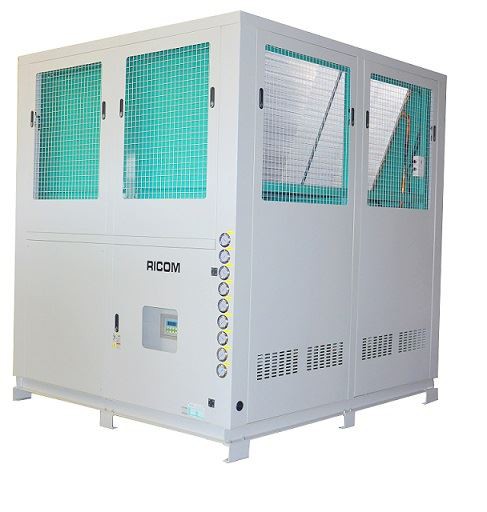
If you're still not sure which type of chiller is right for your needs, or if you're interested in learning more about our Air Cooled Screw or Scroll Chiller, feel free to reach out. We're here to help you make the best decision for your business. Whether you need a detailed quote or just some advice, we're just a message away. Let's start a conversation and see how we can meet your cooling requirements!
References
- ASHRAE Handbook of Refrigeration. American Society of Heating, Refrigerating and Air - Conditioning Engineers.
- "Chiller Selection Guide" by Johnson Controls.
- Various industry reports on chiller technology and market trends.


