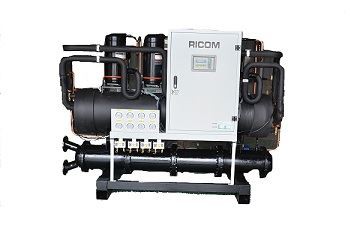
Water Type Mold Temperature Controller: The Complete Procurement and Engineering Guide
Water Type Mold Temperature Controllers circulate heated or cooled water through mold channels to maintain precise thermal conditions during industrial production. They are widely used for plastic injection molding and other processes where water serves as an efficient heat transfer medium.
Technical Specifications Overview
|
Specification Parameter |
Standard Options / Details |
|
Operating Temperature Ranges |
Up to 90 degrees C, 120 degrees C, 140 degrees C, and 160 degrees C |
|
Heat Transfer Medium |
Industrial water or purified water circuit |
|
Pump Performance |
Custom flow rates and pump head/pressure to overcome circuit resistance |
|
Heating Power |
Scaled to mold weight, thermal load, and warm-up time requirements |
|
Safety and Protection |
Water shortage protection, pump overload protection, over-temperature alarm |
|
Electrical Compliance |
Configured to local voltage, phase, frequency, and international standards (e.g., CE) |
Selection Guide: Water vs. Oil Type
Selecting the right medium depends on your process requirements rather than catalog maximums:
Up to 90 degrees C: Standard water temperature control configuration.
120 degrees C to 160 degrees C: Higher-temperature pressurized water configuration.
Above 160 degrees C: Consider an oil temperature controller when operating outside the practical water range.
Maintenance Contrast: Water requires scale prevention and water quality management; oil requires thermal degradation monitoring and periodic oil checks.
Key Parameters to Compare
When evaluating global suppliers, compare these critical operational parameters:
Working Temperature: Matches the polymer and molding cycle requirements.
Heating Power: Determines heat-up capability and thermal recovery speed.
Pump Flow and Pressure: High flow ensures heat exchange efficiency, while sufficient pressure overcomes resistance from narrow channels, hoses, and valves.
Cooling Capacity: Determines how quickly excess exothermic or barrel heat can be removed.
Preventive Maintenance and Water Quality
Water Quality Management: Unfiltered minerals cause scale formation, block narrow channels, and damage pumps. Install recommended filtration or water softeners before commissioning.
Routine Maintenance Schedule:
• Weekly: Inspect filter screens, check fittings for leaks, and review alarm logs.
• Monthly: Monitor pump vibration, electrical contactors, and sensor calibrations.
• Annually: Perform a chemical flush of the water circuit and test safety trip switches.
Manufacturing and Quality Control
Component Inspection: Incoming pumps, heaters, and sensors are verified against technical drawings.
Assembly: Precision mechanical piping and secure electrical wiring configured to specified voltage standards.
Testing: Hydro-testing for leaks, pressure-resistance verification, and comprehensive electrical safety checks.
Buyer RFQ Checklist
To receive an accurate and technically sound quotation, provide the following details to your supplier:
Target mold temperature and required temperature range
Mold weight, dimensions, material, and plastic resin type
Required heat-up time
Mold inlet and outlet size, plus the number of circuits
Required flow rate and cooling-water parameters (temperature, pressure, flow)
Electrical supply (voltage, phase, frequency)
Required quantity and compliance certifications (e.g., CE)
FAQ
Hot Tags: water type mold temperature controller, China water type mold temperature controller manufacturers, suppliers, Dual-Zone Injection Mold Temperature Controller