


Hey there, folks! As a supplier of open screw chillers, I often get asked about the typical lifespan of these nifty machines. So, I thought I'd sit down and write this blog to share what I know about it.
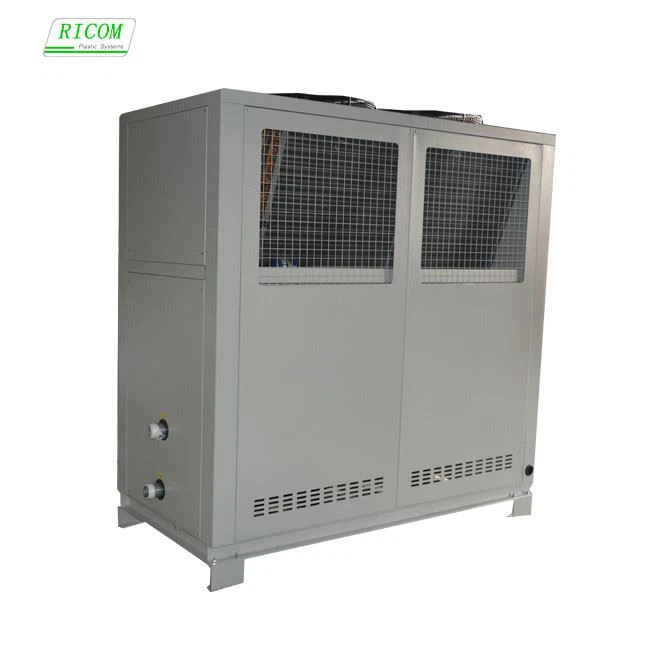
First off, let's talk a bit about what open screw chillers are. They're a type of industrial chiller that can be either air - cooled or water - cooled. If you're curious about the specific types, you can check out Open Air Cooled Screw or Scroll Chiller and Open Water Cooled Screw or Scroll Chiller.
Now, when it comes to the lifespan of an open screw chiller, it's not a one - size - fits - all answer. There are several factors that can affect how long these chillers will last.
Maintenance
One of the most crucial factors is maintenance. Just like a car, if you take good care of your open screw chiller, it'll last longer. Regular maintenance includes things like checking and changing the refrigerant, cleaning the condenser and evaporator coils, inspecting the electrical components, and lubricating the moving parts.
If you neglect maintenance, you're likely to run into problems pretty quickly. For example, dirty coils can make the chiller work harder, which not only increases energy consumption but also puts more stress on the system. Over time, this extra stress can lead to premature wear and tear of components like the compressor, which is one of the most important parts of the chiller.
On average, if you perform proper maintenance, an open screw chiller can last anywhere from 15 to 25 years. But if you're slacking off on the maintenance, you might be looking at a lifespan of only 5 to 10 years. That's a huge difference, right?

Operating Conditions
The environment in which the chiller operates also plays a big role. If the chiller is installed in a clean, well - ventilated area, it's going to have an easier time. However, if it's in a dirty, dusty, or humid environment, it'll face more challenges.
For instance, in a dusty industrial setting, the dust can clog the filters and coils, reducing the chiller's efficiency. High humidity can also cause corrosion of the metal parts. And if the chiller is exposed to extreme temperatures, either too hot or too cold, it can put additional strain on the system.
Let's say you have an open screw chiller installed in a factory where there's a lot of dust and debris in the air. Without proper filtration and regular cleaning, the chiller's performance will start to decline within a few years. On the other hand, if it's in a climate - controlled, clean room, it can easily reach its maximum lifespan.
Quality of Components
The quality of the components used in the open screw chiller is another key factor. When you buy a chiller, you want to make sure it's made with high - quality parts. A chiller with a well - built compressor, reliable electrical components, and durable heat exchangers is going to last longer than one with cheap, sub - standard parts.
At our company, we only use top - notch components in our open screw chillers. We know that using high - quality parts not only ensures better performance but also extends the lifespan of the chiller. It might cost a bit more upfront, but in the long run, it saves you money on repairs and replacements.
Usage Patterns
How often and how intensively the chiller is used also affects its lifespan. If a chiller is running 24/7 at full capacity, it's going to experience more wear and tear compared to one that's only used occasionally or at partial capacity.
For example, a chiller in a data center that needs to maintain a constant temperature around the clock will have a different lifespan compared to a chiller in a small workshop that's only used during business hours. The data center chiller will likely need more frequent maintenance and might reach the end of its useful life a bit sooner.
Signs That Your Chiller is Reaching the End of Its Lifespan
Even with proper maintenance, there will come a time when your open screw chiller starts to show signs of age. Here are some things to look out for:
- Increased Energy Consumption: If your chiller is using more energy than usual to achieve the same level of cooling, it could mean that the system is becoming less efficient. This could be due to worn - out components or a refrigerant leak.
- Frequent Breakdowns: If you find yourself constantly calling for repairs, it might be a sign that the chiller is nearing the end of its life. Frequent breakdowns not only cost you money but also disrupt your operations.
- Poor Cooling Performance: If the chiller is no longer able to maintain the desired temperature, it could be a sign of a major problem. This could be due to a failing compressor, clogged coils, or other issues.
Extending the Lifespan of Your Open Screw Chiller
If you want to get the most out of your open screw chiller, here are some tips:
- Stick to a Maintenance Schedule: Have a regular maintenance plan and follow it religiously. This includes things like daily inspections, monthly filter changes, and annual comprehensive check - ups.
- Train Your Staff: Make sure your employees know how to operate the chiller properly. Improper operation can cause unnecessary stress on the system and lead to premature failures.
- Monitor Performance: Keep an eye on the chiller's performance, such as temperature, pressure, and energy consumption. Any sudden changes could indicate a problem that needs to be addressed.
In conclusion, the typical lifespan of an open screw chiller can vary widely depending on maintenance, operating conditions, component quality, and usage patterns. With proper care, you can expect your chiller to last for 15 to 25 years.
If you're in the market for a new open screw chiller or need advice on maintaining your existing one, don't hesitate to reach out. We're here to help you make the best decision for your cooling needs and ensure that your chiller runs smoothly for as long as possible.
References
- ASHRAE Handbook of Refrigeration
- Industrial Refrigeration Systems: Operation, Maintenance, and Troubleshooting


