


Hey there! As a supplier of anti - corrosion chillers, I've seen firsthand how the installation costs can sometimes put a real dent in a client's budget. That's why I'm here today to share some tips on how you can reduce the installation costs of an anti - corrosion chiller.
1. Pre - installation Planning
First things first, proper pre - installation planning is crucial. Before you even think about getting the chiller on - site, take the time to assess the installation location. You need to make sure that the space is large enough to accommodate the chiller with sufficient clearance for maintenance and ventilation.
Measure the area carefully and consider any potential obstacles. If there are columns, pipes, or other structures in the way, you might need to make some adjustments. This can save you a lot of time and money during the actual installation process. For example, if you find out early that you need to relocate a small pipe, it's much cheaper than having to do it in the middle of the installation when the chiller is already on - site.
Also, check the electrical and plumbing requirements of the chiller. Make sure that the power supply and water connections are in place and meet the specifications. If you need to upgrade the electrical system or extend the plumbing, it's better to do it in advance. This way, you can avoid last - minute surprises and additional costs.
2. Choose the Right Chiller for Your Needs
Selecting the appropriate anti - corrosion chiller is another key factor in reducing installation costs. Don't go for an over - sized chiller just because you think it'll be more powerful. An over - sized chiller not only costs more to purchase but also requires more space, larger electrical connections, and more complex plumbing.
On the other hand, an under - sized chiller won't be able to meet your cooling needs, which could lead to additional costs in the long run, such as inefficient operation and potential damage to the equipment.
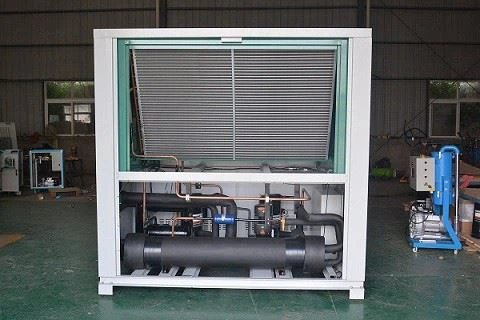
We offer a variety of chillers to suit different requirements. For example, the Air Cooled Industrial Water Chiller is a great option for many industrial applications. It's energy - efficient and relatively easy to install. If you're working in an environment where there's a risk of explosion, our Explosion - Proof Air Cooled Screw or Piston Chiller is the way to go. And for smaller - scale operations, the Scroll Chiller provides a cost - effective solution.
3. DIY vs. Professional Installation
One of the biggest decisions you'll have to make is whether to install the chiller yourself or hire a professional. While DIY installation might seem like a cost - saving option at first glance, it's not always the best choice.
If you don't have the necessary skills and experience, you could end up making mistakes that will cost you more in the long run. For example, improper electrical wiring can lead to safety hazards and damage to the chiller. Incorrect plumbing connections can cause leaks and inefficiencies.
On the other hand, hiring a professional installer might seem expensive upfront, but they have the expertise and tools to get the job done quickly and correctly. They can also provide you with a warranty on their work, which gives you peace of mind.
However, if you have some basic technical skills and are confident in your abilities, you can save some money by doing some of the simpler tasks yourself, such as preparing the installation site or assembling some of the components. Just make sure you follow the manufacturer's instructions carefully.
4. Consider Energy - efficient Features
Investing in a chiller with energy - efficient features can actually reduce your installation costs in the long run. Energy - efficient chillers often require less electrical power, which means you might not need to upgrade your electrical system as much.

For example, some chillers come with variable speed drives. These drives adjust the speed of the compressor and other components based on the cooling demand. This not only saves energy but also reduces wear and tear on the equipment, which can lead to lower maintenance costs.
Another energy - efficient feature is a high - efficiency condenser. A good condenser can transfer heat more effectively, which means the chiller doesn't have to work as hard to cool the water or refrigerant. This can result in lower energy consumption and potentially lower installation costs related to electrical and cooling infrastructure.
5. Bulk Purchasing and Negotiation
If you're buying multiple chillers for a large project, consider bulk purchasing. Many suppliers, including us, offer discounts for bulk orders. This can significantly reduce the cost per unit, which in turn can lower the overall installation costs.
Also, don't be afraid to negotiate with the supplier. You might be able to get a better price on the chiller, free delivery, or even some additional services like installation training. It never hurts to ask, and you could end up saving a substantial amount of money.
6. Maintenance and Training
Proper maintenance is essential for the long - term performance of your chiller. However, you can also reduce installation costs by investing in training for your staff. If your employees are trained to perform basic maintenance tasks, such as cleaning the filters and checking the refrigerant levels, you can save on the cost of hiring a professional maintenance service.
Some suppliers, like us, offer training programs for our customers. This training can not only help you reduce maintenance costs but also ensure that the chiller is installed and operated correctly from the start.
Conclusion
Reducing the installation costs of an anti - corrosion chiller requires careful planning, smart decision - making, and a bit of negotiation. By following these tips, you can save a significant amount of money without compromising on the quality and performance of your chiller.
If you're interested in learning more about our anti - corrosion chillers or need help with installation planning, feel free to reach out to us. We're here to assist you in finding the best solution for your needs and budget. Contact us to start the procurement negotiation process and get the most cost - effective anti - corrosion chiller for your project.
References
- "Industrial Chiller Handbook" - A comprehensive guide on industrial chillers, including installation and maintenance.
- Manufacturer's manuals for various anti - corrosion chillers, which provide detailed information on installation requirements and best practices.


