


Hey there! I'm a supplier of open scroll chillers, and today I wanna chat about how system pressure can have a real impact on these bad boys.
Let's start by getting a basic understanding of open scroll chillers. These are pretty nifty pieces of equipment used in a bunch of industrial and commercial settings. They're designed to cool down stuff, whether it's a big manufacturing process or a large office building's HVAC system. Open scroll chillers work by removing heat from a liquid, usually water, and then transferring that heat to the surrounding environment.
Now, system pressure is like the heartbeat of an open scroll chiller. It's constantly changing and has to be just right for the chiller to work at its best. There are two main types of pressure we need to talk about: high-side pressure and low-side pressure.
The high-side pressure is all about the pressure on the discharge side of the compressor. When this pressure gets too high, it's like asking your chiller to run a marathon with a backpack full of bricks. The compressor has to work way harder than it should. One of the main reasons for high high - side pressure is a blockage in the condenser. If the condenser can't release heat properly, the refrigerant gas coming out of the compressor gets all backed up, and the pressure shoots up.
This high pressure can lead to a whole bunch of problems. First off, the compressor starts to overheat. And we all know what happens when something overheats - it breaks down faster. The motor in the compressor has to draw more power to keep up with the high pressure, which means your energy bills are gonna skyrocket. Plus, the increased stress on the compressor components can cause premature wear and tear. Seals might start to leak, and bearings could go bad. Before you know it, you're looking at some expensive repairs or even a full - blown replacement of the compressor.
On the flip side, low - side pressure is about the pressure on the suction side of the compressor. If the low - side pressure is too low, it could be a sign of a refrigerant leak. Refrigerant is the lifeblood of the chiller, and if it's leaking out, the system can't function properly. A low refrigerant level means there's not enough to absorb the heat from the water, so the cooling capacity of the chiller drops significantly.
Another reason for low low - side pressure could be a restriction in the evaporator. If the evaporator can't absorb heat efficiently, the refrigerant doesn't get warm enough before it goes back to the compressor, and the pressure drops. When the low - side pressure is low, the compressor can start to experience something called "slugging." That's when liquid refrigerant gets into the compressor instead of just gas. Liquid is much harder to compress than gas, and this can cause serious damage to the compressor valves and pistons.
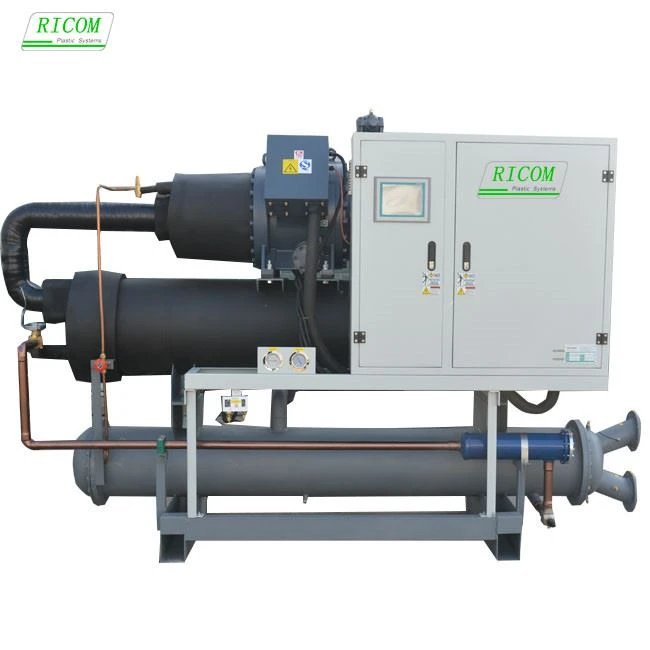

So, how can you tell if your open scroll chiller is dealing with pressure issues? Well, there are a few tell - tale signs. If you notice that your chiller isn't cooling as well as it used to, or if your energy consumption has gone up for no apparent reason, pressure problems could be the culprit. You might also hear strange noises coming from the compressor. A hissing sound could indicate a refrigerant leak, while a loud knocking or rattling could mean there's some internal damage due to high or low pressure.
Now, let's talk about how to keep these pressure issues in check. Regular maintenance is key. You should have your chiller serviced at least once a year by a professional. They can check the refrigerant levels, clean the condenser and evaporator coils, and make sure all the components are in good working order.
Monitoring the pressure gauges on your chiller is also super important. Most open scroll chillers come with pressure gauges for the high - side and low - side. Keep an eye on these readings and compare them to the manufacturer's recommended levels. If you see any significant deviations, it's time to investigate further.
If you're in the market for a new open scroll chiller, we've got some great options. Check out our Open Water Cooled Screw or Scroll Chiller and Open Air Cooled Screw or Scroll Chiller. These chillers are designed with advanced technology to help maintain optimal system pressure and ensure efficient operation.
In conclusion, system pressure has a huge impact on the performance and lifespan of an open scroll chiller. High - side and low - side pressures need to be carefully monitored and maintained to avoid costly repairs and keep your chiller running smoothly. If you have any questions about open scroll chillers or need help with pressure issues, don't hesitate to reach out. We're here to help you make the best choice for your cooling needs. Whether you're a small business or a large industrial operation, we've got the expertise and the products to get the job done right. So, if you're thinking about purchasing an open scroll chiller, or if you just need some advice on maintaining your existing one, drop us a line. We're ready to start a conversation and help you find the perfect solution.
References
- ASHRAE Handbook - HVAC Systems and Equipment.
- Manufacturer's manuals for open scroll chillers.


