


Refrigerant superheating is a critical parameter in the operation of an air cooled chiller, which has a profound impact on the performance, efficiency, and reliability of the system. As an air cooled chiller supplier, understanding how refrigerant superheating affects the operation of our chillers is essential for providing high - quality products and optimal solutions to our customers.
What is Refrigerant Superheating?
Refrigerant superheating refers to the state where the refrigerant vapor temperature is higher than its saturation temperature at a given pressure. In an air cooled chiller system, the refrigerant goes through a cycle of compression, condensation, expansion, and evaporation. During the evaporation process, the refrigerant absorbs heat from the chilled water or other cooling media and changes from a liquid to a vapor. Superheating occurs when the vapor refrigerant continues to absorb heat after it has completely evaporated.
Mathematically, superheating can be calculated as the difference between the actual temperature of the refrigerant vapor and its saturation temperature at the corresponding pressure. For example, if the saturation temperature of the refrigerant at a certain pressure is 5°C, and the actual temperature of the refrigerant vapor is 10°C, then the superheating is 5°C.
Effects on Cooling Capacity
The cooling capacity of an air cooled chiller is one of the most important performance indicators. Refrigerant superheating has a direct impact on the cooling capacity.
-
Positive Impact: A certain degree of superheating is necessary to ensure that only vapor refrigerant enters the compressor. Liquid refrigerant entering the compressor can cause serious damage, known as liquid slugging. By maintaining a proper level of superheating, we can protect the compressor and ensure its normal operation. In addition, a small amount of superheating can increase the heat transfer efficiency in the evaporator to some extent. When the refrigerant has a certain degree of superheating, the heat transfer coefficient between the refrigerant and the cooling medium is relatively high, which helps to improve the overall heat transfer performance of the evaporator and thus increases the cooling capacity.
-
Negative Impact: However, excessive superheating can lead to a decrease in cooling capacity. When the superheating is too high, it means that the refrigerant spends more time and energy in the superheating process rather than in the evaporation process of absorbing heat from the cooling medium. As a result, less heat is absorbed from the chilled water or other cooling media, and the cooling capacity of the chiller is reduced.
Influence on Energy Efficiency
Energy efficiency is another key factor in the operation of an air cooled chiller. Refrigerant superheating can significantly affect the energy consumption of the chiller.
-
Higher Superheating, Higher Energy Consumption: Excessive superheating increases the work load of the compressor. The compressor has to compress the superheated refrigerant vapor to a higher pressure, which requires more energy input. In addition, a high superheating degree also leads to an increase in the discharge temperature of the compressor. Higher discharge temperatures not only increase the energy consumption of the compressor but also reduce the service life of the compressor lubricating oil and other components.
-
Optimal Superheating for Efficiency: On the contrary, when the superheating is maintained at an optimal level, the compressor can operate more efficiently. The refrigerant can complete the evaporation process effectively, and the compressor can compress the refrigerant vapor with relatively less energy. Therefore, by controlling the superheating, we can improve the energy efficiency of the air cooled chiller and reduce the operating cost for our customers.
Impact on Compressor Performance
The compressor is the heart of an air cooled chiller, and refrigerant superheating has a significant impact on its performance.
-
Temperature and Pressure: High superheating can cause an increase in the compressor's discharge temperature and pressure. Elevated discharge temperatures can lead to thermal stress on the compressor components, which may cause premature wear and failure. For example, the high temperature can cause the lubricating oil to break down, reducing its lubrication and sealing performance. At the same time, the increased pressure also increases the mechanical stress on the compressor, which may lead to problems such as valve damage and piston wear.

-
Compression Ratio: Superheating also affects the compression ratio of the compressor. The compression ratio is the ratio of the discharge pressure to the suction pressure. Excessive superheating increases the suction temperature and pressure of the compressor, which in turn affects the compression ratio. A high compression ratio can reduce the volumetric efficiency of the compressor, that is, the actual amount of refrigerant compressed by the compressor per unit time is reduced, and the overall performance of the compressor is affected.
Impact on System Reliability
The reliability of an air cooled chiller is crucial for continuous and stable operation. Refrigerant superheating can affect the reliability of the entire system.
-
Component Life: As mentioned above, excessive superheating can cause high temperatures and pressures in the compressor, which shortens the service life of the compressor and other components. In addition, high superheating can also affect the performance of other components in the system, such as the expansion valve. The expansion valve is responsible for regulating the flow of refrigerant into the evaporator. When the superheating is too high, the operation of the expansion valve may become unstable, which further affects the overall stability of the system.
-
System Malfunctions: Unstable superheating can also lead to system malfunctions. For example, if the superheating fluctuates greatly, it may cause the compressor to start and stop frequently, which not only affects the service life of the compressor but also makes the temperature control of the cooling medium unstable. This can lead to problems such as over - cooling or under - cooling in the application environment, affecting the normal operation of the user's equipment.
Controlling Refrigerant Superheating
As an air cooled chiller supplier, we need to effectively control the refrigerant superheating to ensure the optimal performance of our chillers.
-
Expansion Valve Adjustment: The expansion valve is the main component for controlling refrigerant superheating. By adjusting the opening degree of the expansion valve, we can control the flow of refrigerant into the evaporator. When the superheating is too high, we can increase the opening degree of the expansion valve to allow more refrigerant to enter the evaporator, thereby reducing the superheating. Conversely, when the superheating is too low, we can reduce the opening degree of the expansion valve.
-
System Design and Installation: In the system design and installation process, we also need to consider factors that affect refrigerant superheating. For example, the length and diameter of the refrigerant pipeline, the insulation of the pipeline, and the layout of the evaporator and condenser all have an impact on the superheating. By optimizing the system design and installation, we can ensure that the refrigerant has a proper flow and heat transfer environment, thereby better controlling the superheating.
Our Products and Superheating Control
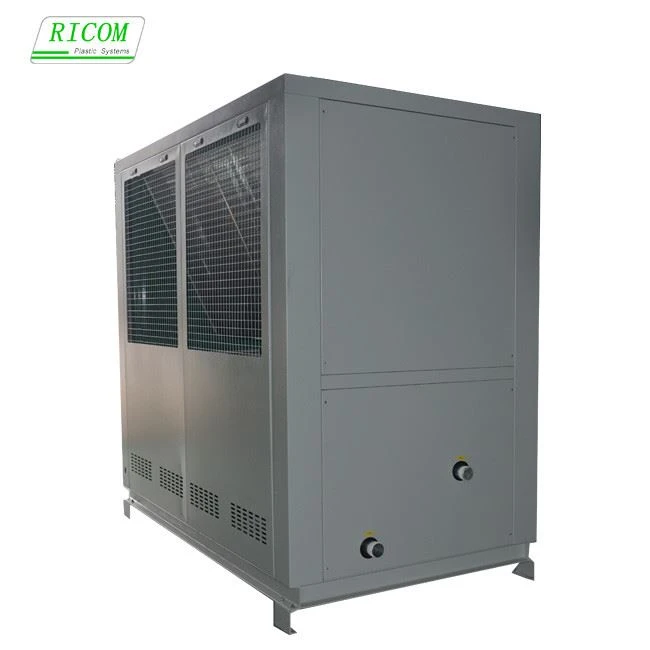
At our company, we offer a variety of air cooled chillers, including Ethylene Glycol Air Cooled Screw or Scroll Chiller, Air Cooled Screw or Scroll Chiller, and Low Temperature Air Cooled Screw or Scroll Chiller.
For each type of chiller, we have adopted advanced control technologies to ensure that the refrigerant superheating is maintained at an optimal level. Our expansion valves are of high - quality and can accurately adjust the refrigerant flow according to the system operating conditions. In addition, our system design and installation are carried out in strict accordance with industry standards and best practices to minimize the influence of external factors on refrigerant superheating.
Conclusion
Refrigerant superheating is a complex and important parameter in the operation of an air cooled chiller. It has a significant impact on the cooling capacity, energy efficiency, compressor performance, and system reliability. As an air cooled chiller supplier, we understand the importance of controlling refrigerant superheating and have taken a series of measures to ensure the optimal performance of our chillers.
If you are interested in our air cooled chillers or have any questions about refrigerant superheating and chiller operation, please feel free to contact us for procurement and negotiation. We are committed to providing you with the best products and solutions to meet your cooling needs.
References
- ASHRAE Handbook - Refrigeration. American Society of Heating, Refrigerating and Air - Conditioning Engineers.
- Stoecker, W. F., & Jones, J. W. (1982). Refrigeration and Air Conditioning. McGraw - Hill.
- Dossat, R. J. (1991). Principles of Refrigeration. Prentice - Hall.


