


Hey there! I'm a supplier of open scroll chillers, and I've been in this game for quite a while. One question that often pops up from our customers is, "How does the outdoor temperature affect an open scroll chiller?" Well, let's dive right into it and break it down.
The Basics of Open Scroll Chillers
First off, for those who might not be super familiar with open scroll chillers, they're pretty handy pieces of equipment. They're used in a bunch of industrial and commercial settings to cool down processes or spaces. You've got two main types: the Open Water Cooled Screw or Scroll Chiller and the Open Air Cooled Screw or Scroll Chiller.
The water - cooled ones use water as a medium to transfer heat away from the chiller. They're often more efficient in terms of energy consumption, especially in large - scale applications. On the other hand, the air - cooled chillers rely on air to dissipate heat. They're easier to install and don't need a separate water source, which makes them a popular choice for smaller setups.
Impact of Outdoor Temperature on Open Air Cooled Scroll Chillers
Let's start with the air - cooled ones. The outdoor temperature has a huge impact on how these chillers perform. You see, the basic principle of an air - cooled chiller is that it blows hot air out into the surrounding environment. When the outdoor temperature is low, say around 50°F (10°C), the chiller can easily transfer the heat from the refrigerant to the outside air.
The lower the outdoor temperature, the greater the temperature difference between the hot refrigerant inside the chiller and the outside air. This large temperature difference allows for more efficient heat transfer. As a result, the chiller doesn't have to work as hard to cool down the refrigerant, which means it uses less energy. You can think of it like running a race on a cool day; it's a lot easier than running on a scorching hot one.
However, when the outdoor temperature starts to climb, things get a bit tricky. If the outside temperature reaches 90°F (32°C) or higher, the chiller has to work overtime. The small temperature difference between the hot refrigerant and the outside air makes it difficult for the heat to transfer efficiently. So, the compressor has to run longer and harder to achieve the desired cooling effect. This not only increases the energy consumption but also puts more stress on the components of the chiller. Over time, this can lead to more frequent breakdowns and a shorter lifespan for the chiller.
Impact of Outdoor Temperature on Open Water Cooled Scroll Chillers
Now, let's talk about the water - cooled chillers. These chillers are a bit more complex when it comes to the influence of outdoor temperature. The water used in these chillers is usually cooled by a cooling tower, which is affected by the outdoor air temperature and humidity.
In cooler outdoor conditions, the cooling tower can do its job more effectively. The cold air helps to cool the water in the tower, which in turn cools the refrigerant in the chiller. This means that the chiller can operate more efficiently, just like the air - cooled chiller in cold weather.
But in hot and humid weather, things change. High outdoor temperatures can make it difficult for the cooling tower to cool the water effectively. When the water temperature going into the chiller is high, the chiller has to work harder to remove the heat from the refrigerant. Additionally, high humidity can reduce the evaporative cooling effect in the cooling tower, further hampering its ability to cool the water.
Just like with the air - cooled chillers, the increased workload on the water - cooled chiller in hot weather can lead to higher energy consumption and more wear and tear on the components.
Performance Degradation and Maintenance in Different Temperatures
As the outdoor temperature affects the performance of open scroll chillers, it also has implications for maintenance. In cold weather, the main concern is usually preventing the water in the system from freezing. For water - cooled chillers, if the water freezes, it can cause pipes to burst and damage the chiller. That's why proper insulation and anti - freeze solutions are crucial.
In hot weather, as we've mentioned, the increased workload can cause components like the compressor and fans to wear out faster. Regular maintenance, such as checking the refrigerant levels, cleaning the condenser coils (for air - cooled chillers), and inspecting the cooling tower (for water - cooled chillers), becomes even more important.
Energy Efficiency Considerations
Energy efficiency is a big deal when it comes to open scroll chillers. And as we've seen, outdoor temperature plays a major role in how energy - efficient these chillers are. In regions with large temperature variations throughout the year, it's important to choose a chiller that can handle different temperature conditions well.
Some advanced open scroll chillers come with features that help improve energy efficiency in different temperatures. For example, variable speed drives can adjust the speed of the compressor and fans based on the outdoor temperature and the cooling demand. This means that the chiller can operate more efficiently in both cold and hot weather.
Making the Right Choice
If you're in the market for an open scroll chiller, it's essential to consider the typical outdoor temperatures in your area. If you live in a region with consistently cold weather, an air - cooled chiller might be a great option as it can operate very efficiently in those conditions. On the other hand, if you're in a hot and humid area, a water - cooled chiller with a well - designed cooling tower system could be more suitable.
We, as an open scroll chiller supplier, can help you make the right choice based on your specific needs and the local climate. Our team of experts has years of experience in the industry and can provide you with detailed information about the performance of our chillers in different temperature conditions.
Conclusion
So, there you have it! The outdoor temperature has a significant impact on the performance, energy efficiency, and maintenance of open scroll chillers. Whether it's an Open Water Cooled Screw or Scroll Chiller or an Open Air Cooled Screw or Scroll Chiller, understanding how temperature affects them is crucial for getting the most out of your investment.
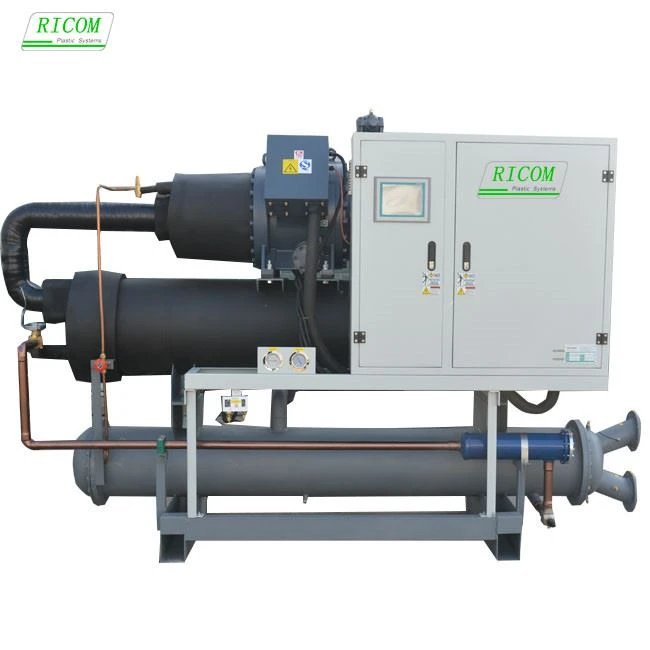

If you're thinking about purchasing an open scroll chiller or need more information about how they perform in your area's climate, don't hesitate to reach out. We're here to help you make the best decision for your cooling needs. Let's start a conversation and find the perfect chiller for you!
References
- ASHRAE Handbook - HVAC Systems and Equipment
- Chiller manufacturer's technical manuals
- Industry research papers on chiller performance in different climates


