


Explosion-proof chillers are a specialized type of industrial equipment designed to operate safely in hazardous environments where there is a risk of explosive atmospheres. These environments can include chemical plants, oil refineries, and other industrial settings where flammable gases, vapors, or dusts may be present. One of the key considerations when installing and operating explosion-proof chillers is ventilation. In this blog, we'll explore whether explosion-proof chillers require special ventilation, and why it's an important aspect of their safe and efficient operation.

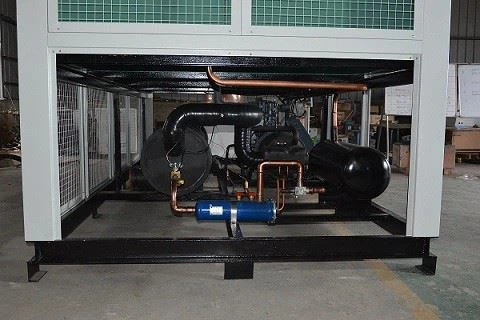
Understanding Explosion-Proof Chillers
Before delving into the ventilation requirements, it's essential to understand what makes an explosion-proof chiller unique. Regular chillers are designed for standard operating conditions. In contrast, explosion-proof chillers are engineered with strict safety features to prevent the ignition of potentially explosive substances in their surroundings.
These features can include sealed enclosures to prevent the ingress of flammable materials, explosion-proof electrical components, and special coatings to resist corrosion caused by harsh chemical environments. For example, our company, as an explosion-proof chiller supplier, offers a range of Stainless Steel Air Cooled Screw or Scroll Chiller that are built to withstand the rigors of hazardous locations.
Why Ventilation Matters for Explosion-Proof Chillers
- Heat Dissipation: Chillers, by their nature, generate a significant amount of heat during operation. This excess heat needs to be dissipated efficiently to prevent damage to the equipment and ensure optimal performance. In an explosion-proof chiller, proper ventilation helps to carry away this heat in a controlled manner. Without adequate ventilation, the internal temperature of the chiller can rise to dangerous levels, potentially leading to malfunction or even failure.
- Preventing Build - up of Flammable Substances: In hazardous environments, there is always a risk of flammable gases or vapors being present in the air. Good ventilation helps to dilute and remove these substances from the vicinity of the chiller. Even though explosion-proof chillers are designed to prevent ignition, reducing the concentration of flammable materials further enhances safety. If flammable substances accumulate around the chiller, the risk of an accidental explosion increases, despite the chiller's safety features.
- Maintaining Component Integrity: Many of the electrical and mechanical components in an explosion-proof chiller can be sensitive to temperature and humidity. Proper ventilation helps to maintain a stable and dry environment inside the chiller's enclosure, which is crucial for the long - term integrity of these components. For example, excessive heat and humidity can cause corrosion of electrical connections, leading to short - circuits or other electrical problems.
Special Ventilation Requirements for Explosion-Proof Chillers
Explosion-proof chillers do require special ventilation, and these requirements are typically more stringent than those for standard chillers.
- Airflow Design: The ventilation system for an explosion-proof chiller must be carefully designed to ensure proper airflow. The airflow should be directed in a way that maximizes heat dissipation and effectively removes any flammable substances. This often involves creating a unidirectional airflow, where fresh air is drawn into the chiller area and exhaust air is expelled away from the equipment and any potential sources of ignition.
- Ventilation Rate: The ventilation rate is a critical factor. It needs to be sufficient to meet the heat - removal requirements of the chiller and to dilute any flammable substances to a safe level. The specific ventilation rate depends on several factors, including the size and capacity of the chiller, the type of hazardous environment, and the nature of the flammable substances present. In general, higher - capacity chillers and environments with a higher concentration of flammable materials will require a higher ventilation rate.
- Explosion - Proof Ventilation Equipment: The ventilation system itself must also be explosion - proof. This means that all fans, ducts, and other ventilation components must be designed and constructed to prevent the ignition of flammable substances. For example, fans should have spark - resistant blades and motors, and ducts should be made of non - combustible materials.
Types of Ventilation for Explosion - Proof Chillers
- Natural Ventilation: In some cases, natural ventilation may be sufficient for explosion - proof chillers, especially in areas with low heat loads and a relatively low concentration of flammable substances. Natural ventilation relies on the movement of air due to differences in temperature and pressure. However, it has limitations, as it may not provide a consistent or sufficient airflow, especially in areas where outdoor conditions are variable.
- Mechanical Ventilation: Mechanical ventilation is the most common method used for explosion - proof chillers. It involves the use of fans, blowers, and ducts to create a controlled airflow. This type of ventilation offers greater flexibility and reliability compared to natural ventilation. For our Air Chiller models, we often recommend mechanical ventilation systems to ensure optimal performance and safety.
- Combination Ventilation: In some situations, a combination of natural and mechanical ventilation may be used. This approach can take advantage of the benefits of both methods. For example, natural ventilation can be used as a primary means of airflow during normal operating conditions, while mechanical ventilation can be activated as a backup or in situations where additional airflow is required.
Compliance with Standards and Regulations
When designing and implementing a ventilation system for an explosion - proof chiller, it's essential to comply with relevant standards and regulations. These standards are in place to ensure the safety of personnel and equipment in hazardous environments.
In the United States, the National Fire Protection Association (NFPA) and the Occupational Safety and Health Administration (OSHA) have specific requirements for explosion - proof equipment and ventilation systems. In Europe, the ATEX directive sets out similar standards. Failure to comply with these standards can result in safety hazards, legal issues, and potential damage to the chiller and other equipment.
Our Role as an Explosion - Proof Chiller Supplier
As an explosion - proof chiller supplier, we understand the importance of proper ventilation for our products. We work closely with our customers to ensure that the ventilation systems for our chillers are designed and installed correctly. Our team of experts can provide guidance on the appropriate ventilation type, rate, and equipment selection based on the specific requirements of each application.
For example, when a customer is considering our Scroll Air - Cooled Chiller for a chemical plant, we analyze the plant's layout, the type of chemicals used, and the expected operating conditions to recommend the most suitable ventilation solution.
Conclusion
In conclusion, explosion - proof chillers do require special ventilation. Proper ventilation is essential for heat dissipation, preventing the build - up of flammable substances, and maintaining the integrity of the chiller's components. It's crucial to design and implement a ventilation system that meets the specific requirements of the chiller and the hazardous environment in which it operates.
If you are in need of an explosion - proof chiller or have questions about the ventilation requirements for your application, we encourage you to contact us for a detailed consultation. Our experienced team can provide you with the information and solutions you need to ensure the safe and efficient operation of your chiller.
References
- National Fire Protection Association (NFPA). NFPA standards related to explosion - proof equipment and ventilation.
- Occupational Safety and Health Administration (OSHA). Regulations on hazardous environments and equipment safety.
- ATEX directive. European Union standards for equipment used in explosive atmospheres.


